Op-Eds
-

A Look at the Sahel Post-ECOWAS Departure
In an effort to combat jihadist terrorism, the Sahelian nations of Burkina Faso, Niger, and Mali formed an alliance in 2023 and withdrew from ECOWAS in 2024. Outlooks are split on the capability of the junta governments to fight these forces, the economic risk, and their impact on human rights. The outcome of leaving ECOWAS could also influence the current strategy of dividing Africa into Regional Economic Communities.
-
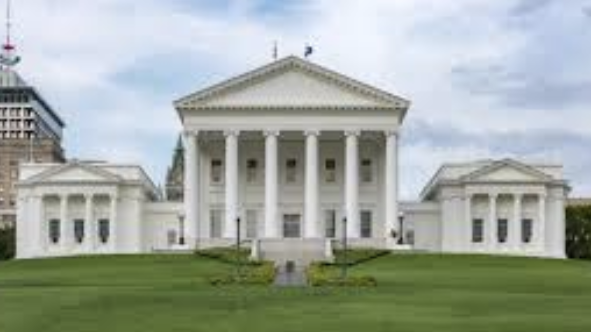
The Future Could be Female (At Least in Virginia)
The state of Virginia is gearing up for a historic election season that could elect its first female Governor.
-
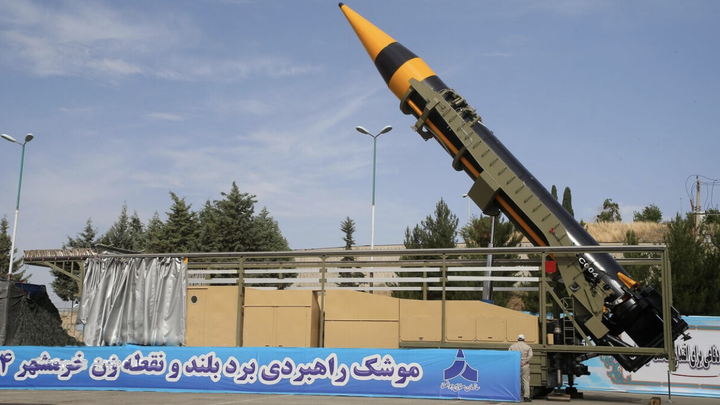
Iran is speeding up its weapons programs. What should the United States do?
With Iran accelerating its nuclear ambitions and rejecting diplomatic talks, tensions between the U.S. and Iran are at a critical point. With Intelligence showing Iran’s pursuit of faster bomb-making methods and Israel desiring a preemptive strike, the case for decisive military action to neutralize the threat grows stronger, aiming to prevent destabilizing nuclear escalation in the region.
-
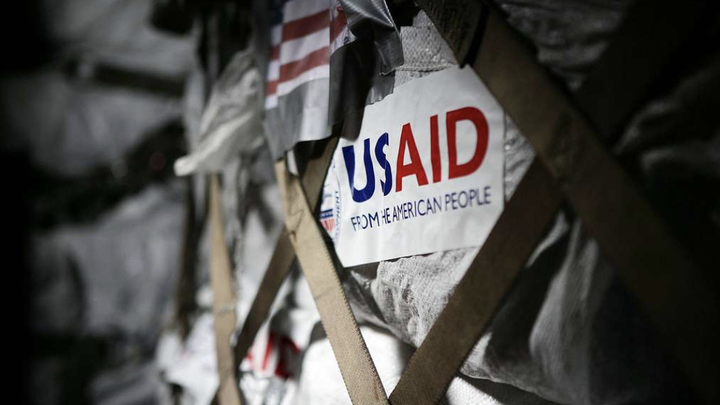
Diplomacy on a Budget: Trump’s USAID Cuts to Save Money Come at the Expense of American Foreign Influence
Since taking office, Trump has drastically cut back on the USAID program in the hopes of ‘putting America first.’ However, these actions have severely harmed global communities, American ties to them, and even Americans directly, both abroad and at home.
-

Underfunded and Overwhelmed: The Federal Government’s Failure to Properly Fund Anti-Trafficking Task Forces
Underfunded and understaffed, federal anti-trafficking task forces struggle to combat the growing crisis of human trafficking. Without increased funding and resources, victims remain trapped, traffickers go unpunished, and justice is left undone.
-

Donald Trump’s Life of Failure and the Art of the Pivot
Donald Trump wins by using his losses to his advantage. This is how the MAGA movement has grown despite his numerous transgressions.
-
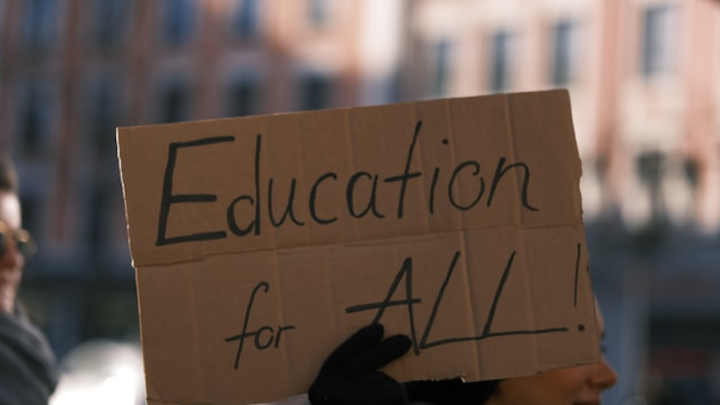
Education in the United States: A Right for the Wealthy, a Privilege for the Poor
Without the Department of Education, the wealth gap between students will only widen. Good education needs to be a right for all kids, not a luxury only a few can afford.
-
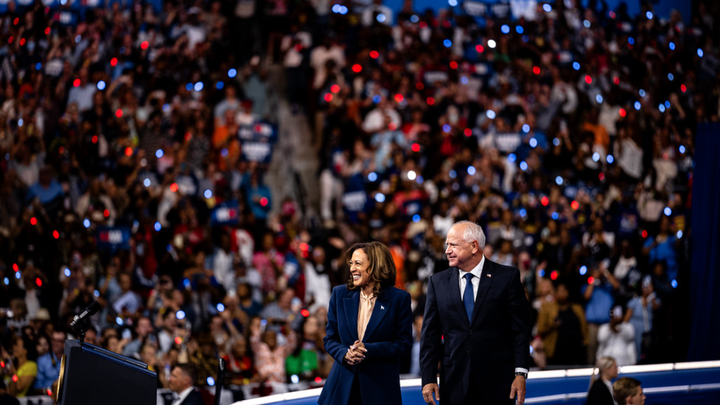
Democrats’ Path to Reconnecting with the Working Class
The 2024 presidential election saw a clear decrease in working class support for the Democratic Party. This shift left many Democrats wondering what the future holds for the party and what steps must be taken to reconnect with the working class.
-

Gifted Education Needs Guidance
Gifted education in the United States is fragmented and underfunded, leading to widely varying outcomes and creating achievement gaps as marginalized groups are often overlooked in gifted identification. Remedying these issues requires a national definition of giftedness with a focus on equitable identification and nurturing student potential.
-

Artificial Intelligence is Increasingly Being Used Within Politics, But Should We Be Allowing It?
Artificial Intelligence is increasingly being used by politicians and institutions for beneficial and malicious ends despite rampant misinformation and corruption. The American people must educate themselves and deliberate on whether and what types of AI should be used in our democracy.
-

Are Rust Belt Cities Ready to Become “Climate Refuges?”
With coastal American cities battling climate catastrophes, the depopulated cities of the Rust Belt are garnering attention as possible “climate havens” and candidates for sustainability projects. However, before these can be realized, it is important to address the challenges within these cities so as to not risk the displacement of locals in this widely misunderstood region.
-
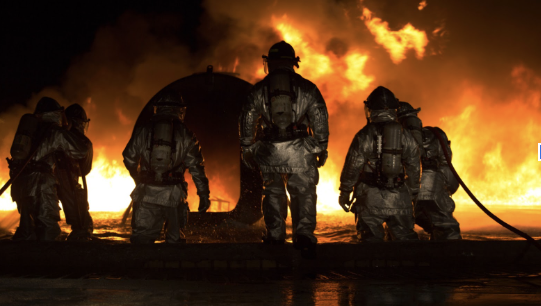
Fanning the Flames of Californian Fury: How State and Federal Government Negligence Impacts Wildfires
The January, 2025 wildfires caused thousands of acres of damage, destroying homes and livelihoods in Los Angeles, California. These fires exposed critical state and federal government failures in prevention, response, and aid to support citizens.
-
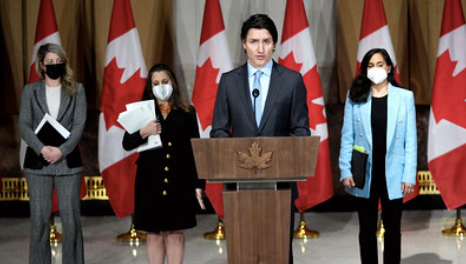
Canada’s Online Harms Act: Protection or Obstruction?
The Canadian parliament has proposed a bill entitled The Online Harms Act. This bill attempts to fight harmful language but does it also interfere with the rights of Canadian citizens?
-
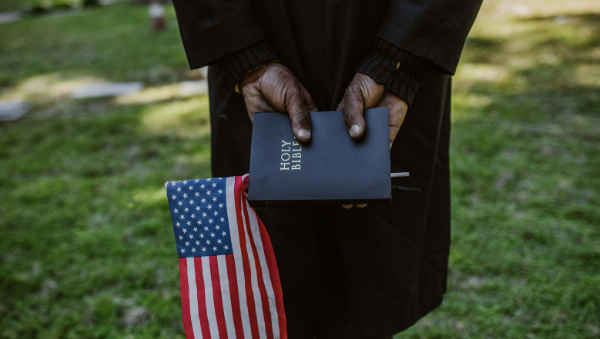
What Happened to the Separation of Church and State?
A fundamental principle of our democracy is beginning to fade away — and we should all be concerned.
-
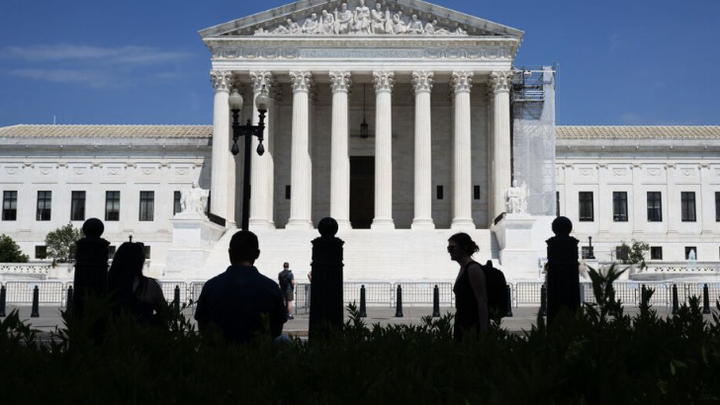
The Supreme Court’s Suppression of the EPA
The Supreme Court's recent rulings against agency power mark a troubling shift in the balance between honest judicial influence and intentional partisan control. This calls into question the future of regulatory agencies with politically controversial rules, particularly the Environmental Protection Agency, and forces our society to take stock of what this means for the direction of American democracy.
-
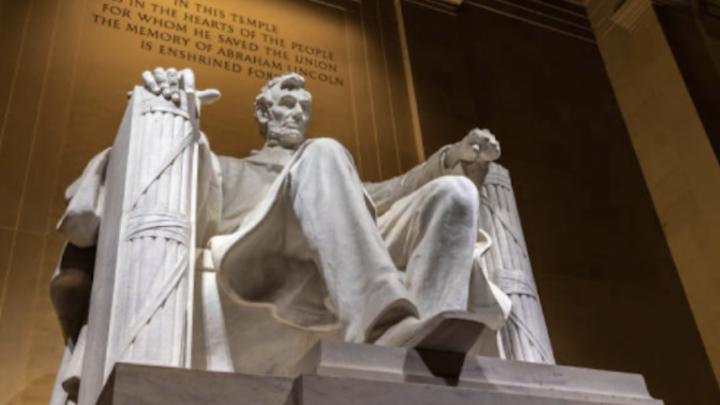
The Cost of Unity: A Critique of Lincoln’s Second Inaugural Address
Widely regarded as one of his greatest speeches for its emphasis on shared culpability for slavery, Abraham Lincoln’s Second Inaugural Address risked sacrificing justice in the pursuit of national unity and examines how his framing offers a cautionary lesson on addressing historical injustices without compromising accountability.
-

Saving Drops: Charlottesville’s Commitment to Water Conservation
As seen in the successful case of Charlottesville, collecting rainwater with a homemade rain barrel is an easy way to conserve water.
-
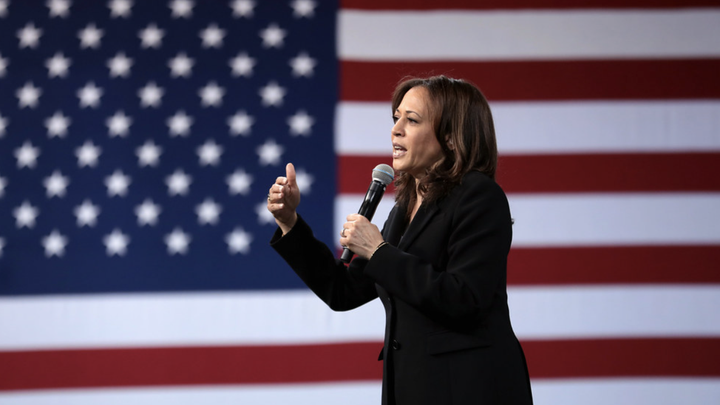
Postmortem: How Democrats Fell Flat, and What’s Next For The Party
Democrats drastically underperformed in the 2024 election; to avoid a repeat performance, they need to reconnect with former coalitions and the average voter.
-
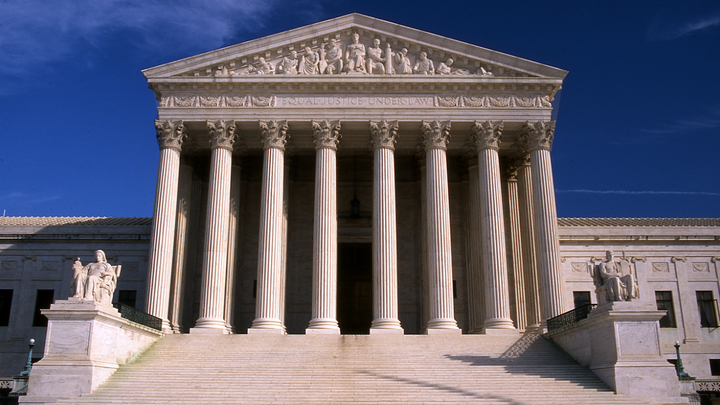
Peremptory Challenges: The Controversial Legal Tool You've Never Heard Of
Peremptory challenges have a long history in the U.S. judicial system, but their time in the spotlight may have to come to an unceremonious end.
-
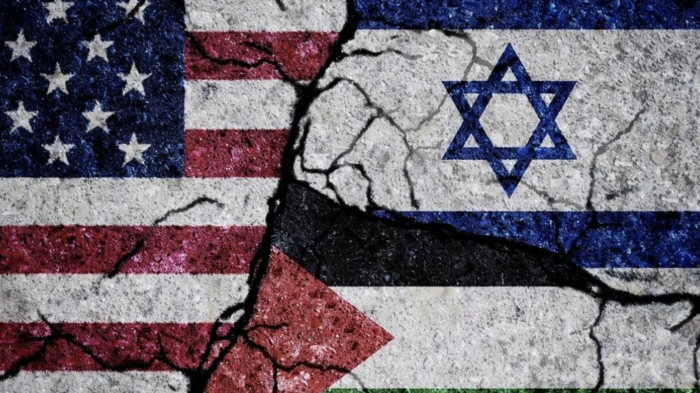
Humanity First: A Call for Compassion and Understanding During the Israel-Palestine Conflict
As protests over the Israeli-Palestinian conflict intensify in the United States, divisions between pro-Israel and pro-Palestine supporters have escalated into bigotry and fear. Shifting the focus from political sides to the innocent civilians at the heart of the conflict offers a chance to unite and calm the rhetoric on this deeply divisive issue.
-
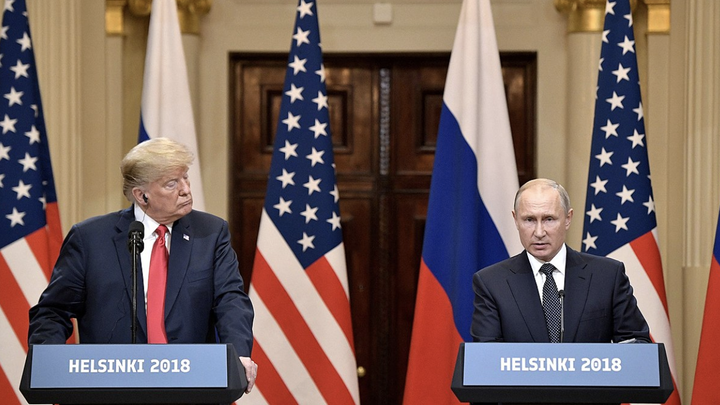
How can the atomic interactions of the US-USSR during the Cold War shape our thinking now?
With an ongoing military conflict involving a long time American foe, we can turn towards our previous interactions to influence our actions in the present day.
-

Pandemic Politics: How Division Undermined COVID-19 Preparedness and What Comes Next
Hindsight is always 20-20, and retrospective analyses of pandemic response to the COVID-19 pandemic reveals glaring inadequacies in policy implementation that fueled damaging race based disparities. It is crucial to learn from these mistakes and take strides in implementing equitable disease prevention efforts for the future.
-

Sinking the Russian War Machine: A Two-Year Perspective on the Effectiveness of Economic Sanctions
Two years after the breakout of the Ukraine war, the burgeoning economic alliances between autocratic nations have become a threat to economic sanctions as a viable method of quelling the Russian assault. Unless sanctions broaden their attack to corporations enabling evasions, they fail to stop or even disincentivize the Russian offense.
-
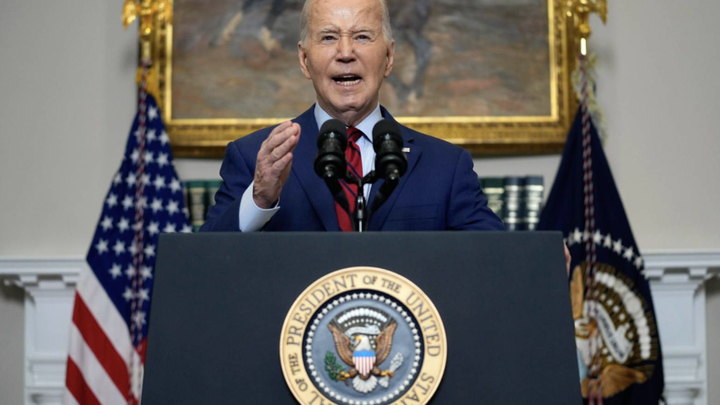
How Biden’s Foreign Policy Led to His Dropping Out of the 2024 Presidential Election
While the most commonly cited cause for Biden’s withdrawal from the presidential race is his cognitive decline, his unpopular foreign policy decisions on issues critical to American voters cannot be overlooked. Foreign policy has been notoriously weak amongst one-term presidents as they near the end of their terms, and Biden is no exception.
-

Archival Silence within UVA's Special Collections Library
The Albert and Shirley Small Special Collections Library has focused on procuring and preserving rare books, manuscripts, and artifacts since its formation in 1987. However, their steps towards establishing a full history is undercut by their lack of effort to share these resources with the greater student body.