Global News
-

Railroad rivalries and the lessons of great power imperialism
The denial of a strategic African railway helped push Germany toward WWI, and today this corridor has become a front line for U.S.-China rivalry. If Washington’s containment repeats the errors of 1914, this race may once again spark global conflict.
-
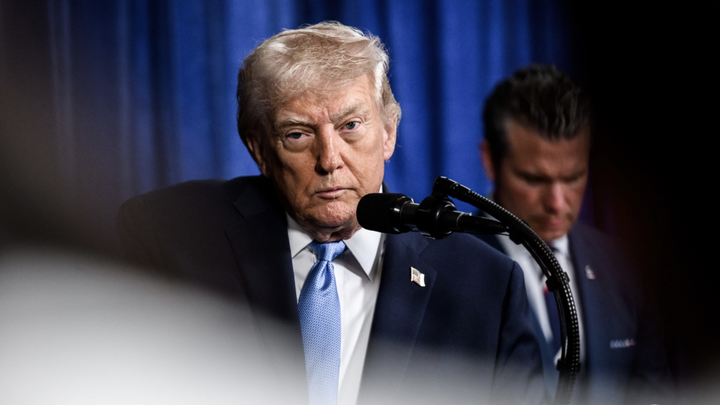
Make Iran Great Again?
The Trump administration has abandoned the America First policy that President Trump ran on and allowed him to receive a majority of the popular vote in the 2024 presidential election.
-
The reality of Olympic neutrality: Representing a country doesn’t mean agreeing with it
Olympians represent their countries on the world stage, but this has never meant total agreement. As politics increasingly shape the Games’ perceptions, the real challenge may be our response to athletes speaking as citizens as well as competitors.
-
The Olympics are – and should be – political
As a matter of policy, the Olympic Games are supposedly “politically neutral.” But with the current political climate in the United States and abroad, athletes should use their unique platform to speak out, and the International Olympic Committee should allow it.
-
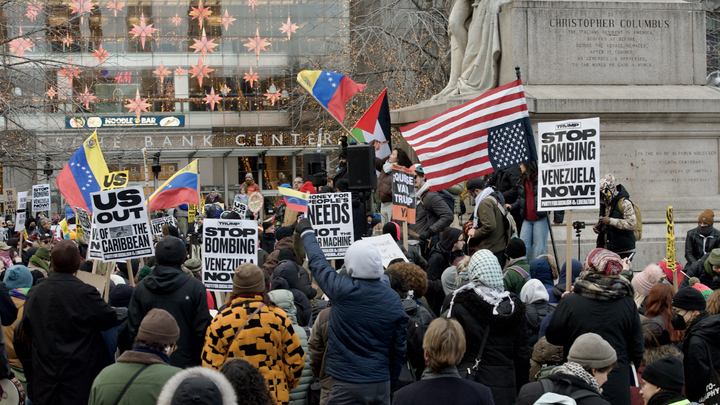
Trump’s capture of Maduro was never about the drugs
On January 3rd, 2026, the Trump Administration arrested Venezuelan President Nicolás Maduro, framing the operation as necessary to stop America’s drug epidemic. However, Trump has other motives: Expanding American dominance.
-

Women’s rights, wealth, and the limits of state feminism in Tunisia
State feminism can only go so far. In the case of Tunisia, the impact of pinkwashing has been used to cover up the tight authoritarian grip on the nation.
-

Salami-slicing in the sea: Should we be worried about China?
Is China undertaking an aggressive maritime strategy known as salami-slicing to secure expansionist gains? Or are the worries over China overblown?
-

Europe’s Far Right Resurgence
The rise of Europe’s far-right cannot be simply explained in terms of economic anxiety or the influx of refugees. It is a complex phenomenon that reflects voter dissatisfaction and the need for mainstream parties to rethink how they operate.
-

Economic insecurity and the rise of the right: How the standing Japanese government lost its majority rule
The diminishing popularity of the Japanese Liberal Democratic Party and its ineffectiveness as a governing body — especially relating to economic issues — have led to a rise in right-wing populist ideologies.
-
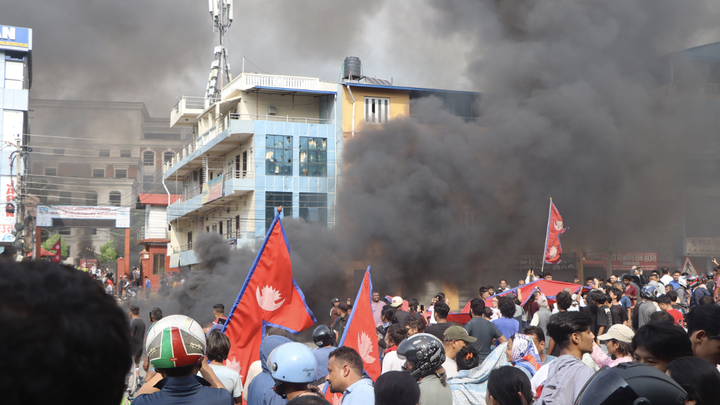
The 2025 Nepalese Gen Z Protests: How New Technology Bolsters and Undermines Global Democracy
The 2025 Nepalese Gen Z protests reflect an exciting era of democracy, marked by rapid communication and global inspiration. However, new innovations in technology can both bolster and undermine democratic aspirations.
-
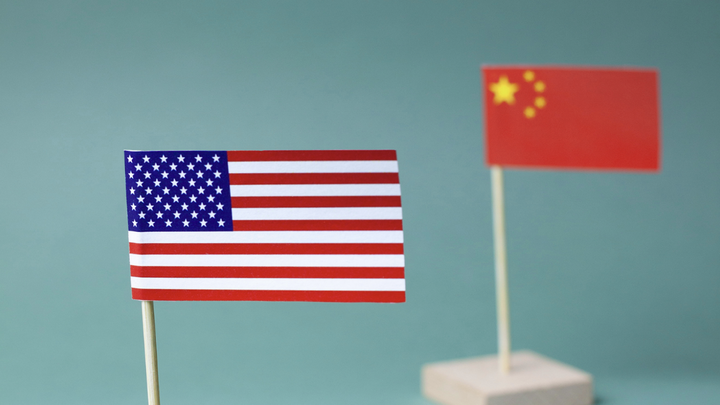
Race for the Future: The Emerging Technological Showdown Between the United States and China
The United States' reign as the world's undisputed tech leader is in jeopardy as China methodically closes the gap. This decline is being accelerated by inconsistent domestic policies that erode the very advantages that once secured its top position.
-

Combatting Transnational Crime: Organ Trafficking and Transplant Tourism
Organ trafficking and transplant tourism persist due to socioeconomic inequity, lack of legislation, and inadequate enforcement. Combating this crisis requires a comprehensive approach on both domestic and international levels.
-
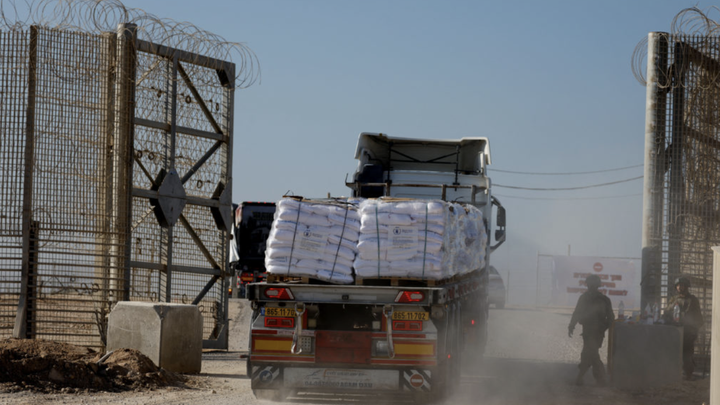
Who Protects the Protectors? The Global Failure to Safeguard Humanitarian Workers
The killing of 15 humanitarian workers in Rafah calls into question the erosion of international law and the international community’s failure to protect those on the front lines of crisis.
-
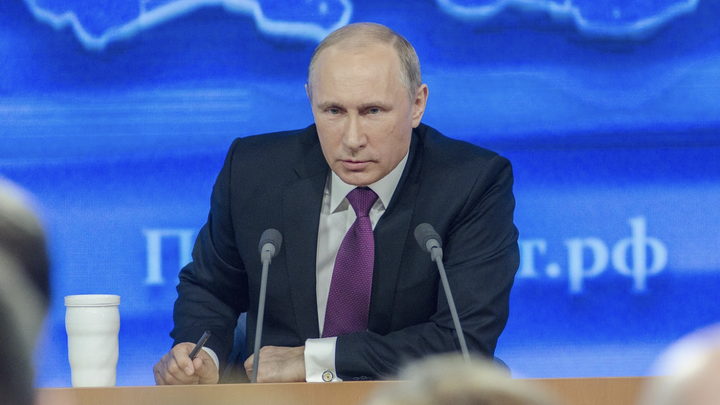
Putin is not afraid of NATO
The motivation for Putin’s invasions of Ukraine remain debated, but one explanation has run its course: that Putin fears the North Atlantic Treaty Organization. Recent violations of NATO airspace bolster this conclusion.
-
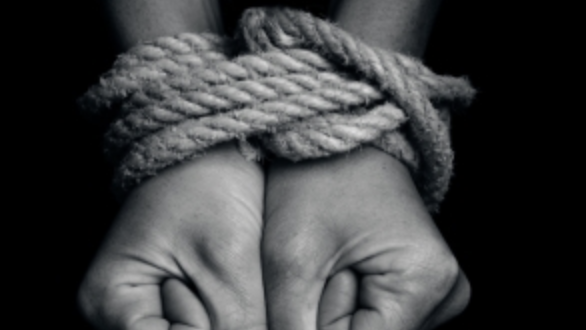
Sex Trafficking in Russia: An International Crisis Overlooked
State corruption, police complicity, and lack of global accountability enable Russia's role in global sex trafficking. Challenging harsher sanctions and collective international pressure, this article calls for action to rescue victims and break up traffickers' networks now.
-
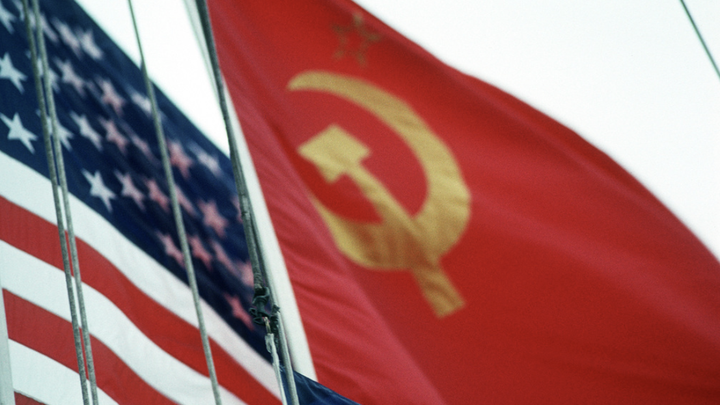
The Cold War never ended: An alternative framework for understanding contemporary global conflicts
Many scholars believe that the Cold War — a major global conflict between the United States, the Soviet Union, and their respective allies — ended in 1991 with the collapse of the Soviet Union. However, some scholars argue that the Cold War is ongoing and that it is crucial that we explore the impacts of this alternative framework.
-
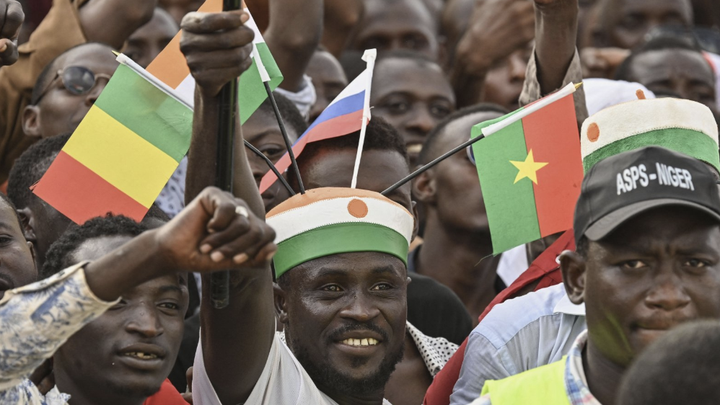
A Look at the Sahel Post-ECOWAS Departure
In an effort to combat jihadist terrorism, the Sahelian nations of Burkina Faso, Niger, and Mali formed an alliance in 2023 and withdrew from ECOWAS in 2024. Outlooks are split on the capability of the junta governments to fight these forces, the economic risk, and their impact on human rights. The outcome of leaving ECOWAS could also influence the current strategy of dividing Africa into Regional Economic Communities.
-
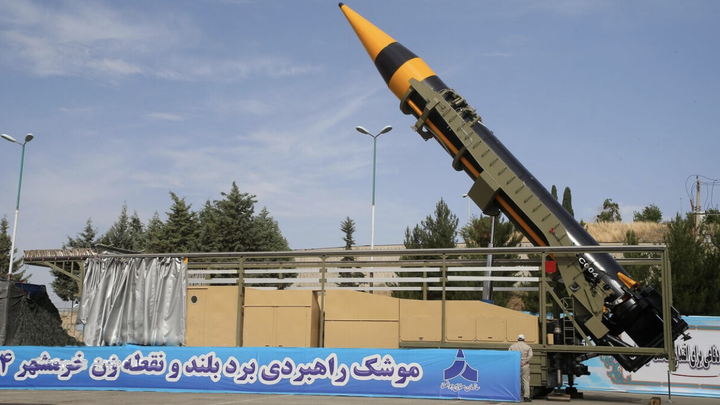
Iran is speeding up its weapons programs. What should the United States do?
With Iran accelerating its nuclear ambitions and rejecting diplomatic talks, tensions between the U.S. and Iran are at a critical point. With Intelligence showing Iran’s pursuit of faster bomb-making methods and Israel desiring a preemptive strike, the case for decisive military action to neutralize the threat grows stronger, aiming to prevent destabilizing nuclear escalation in the region.
-
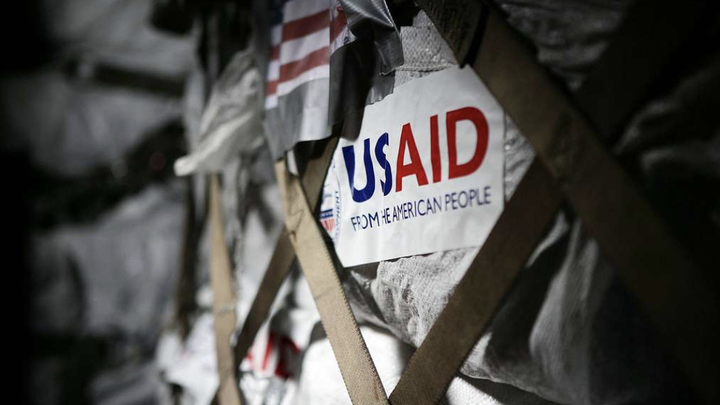
Diplomacy on a Budget: Trump’s USAID Cuts to Save Money Come at the Expense of American Foreign Influence
Since taking office, Trump has drastically cut back on the USAID program in the hopes of ‘putting America first.’ However, these actions have severely harmed global communities, American ties to them, and even Americans directly, both abroad and at home.
-
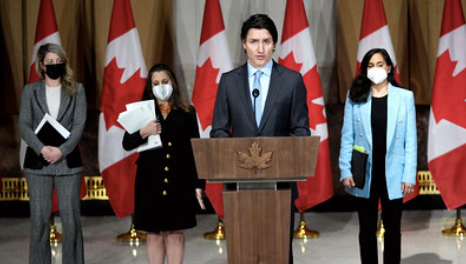
Canada’s Online Harms Act: Protection or Obstruction?
The Canadian parliament has proposed a bill entitled The Online Harms Act. This bill attempts to fight harmful language but does it also interfere with the rights of Canadian citizens?
-
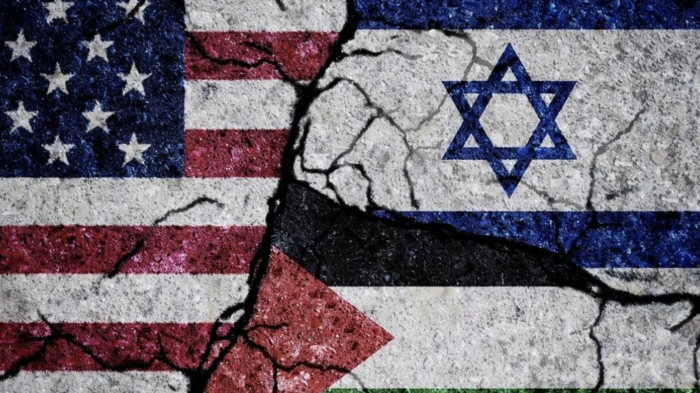
Humanity First: A Call for Compassion and Understanding During the Israel-Palestine Conflict
As protests over the Israeli-Palestinian conflict intensify in the United States, divisions between pro-Israel and pro-Palestine supporters have escalated into bigotry and fear. Shifting the focus from political sides to the innocent civilians at the heart of the conflict offers a chance to unite and calm the rhetoric on this deeply divisive issue.
-
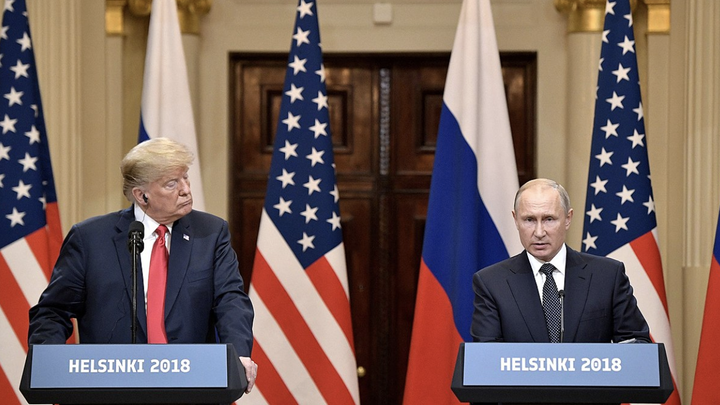
How can the atomic interactions of the US-USSR during the Cold War shape our thinking now?
With an ongoing military conflict involving a long time American foe, we can turn towards our previous interactions to influence our actions in the present day.
-

Sinking the Russian War Machine: A Two-Year Perspective on the Effectiveness of Economic Sanctions
Two years after the breakout of the Ukraine war, the burgeoning economic alliances between autocratic nations have become a threat to economic sanctions as a viable method of quelling the Russian assault. Unless sanctions broaden their attack to corporations enabling evasions, they fail to stop or even disincentivize the Russian offense.
-
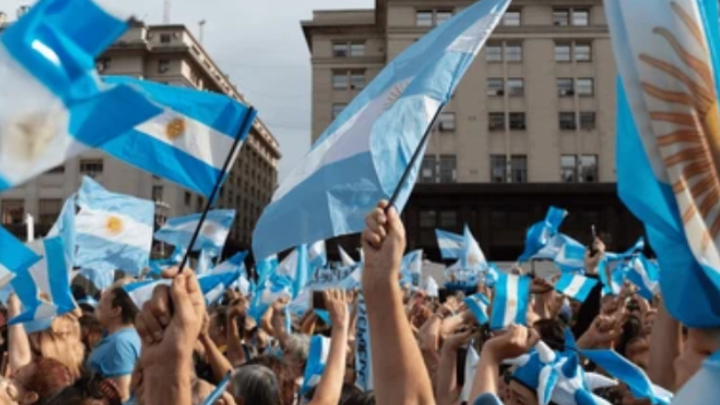
Argentina’s Democracy in Crisis: The Rise of Populism and Working Class Dissatisfaction
President Javier Milei's rise in Argentina highlights working-class frustration with political elites amid economic and social crises. His election mirrors populist trends that have recently been observed on a global scale.
-
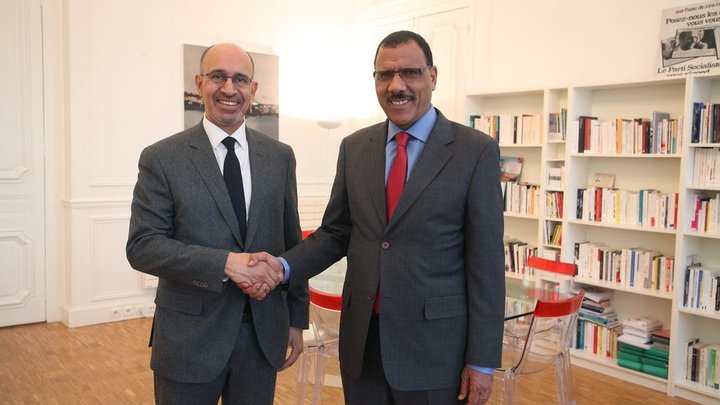
“French Go Home:” Why are Relations Between France and West Africa Melting Down?
A wave of diplomatic breakdown between France and its former colonies has swept West Africa, stirring a heated debate and reflecting escalating anti-colonial sentiments. The controversy highlights historical tensions and calls for a reevaluation of France’s relationship with the region.