Op-Eds
-

The Price of Populism: How the Big Beautiful Bill Targets Students, not Schools
President Trump’s “Big Beautiful Bill” reimagines higher education not as a public good but as a battlefield, wielding endowment taxes and student loan restrictions as weapons against elite universities. Doing so punishes middle-income students most of all, trading their American Dream for fleeting political victories.
-

When Executive Power Means No Accountability
Only nine months later, Americans have all but abandoned the brief class consciousness that emerged after the murder of United Healthcare CEO Brian Thompson. Despite the country moving on, the cultural and legal issues this moment illuminated still persist. How do we solve them? And how do we move forward
-
Where Have the Democrats Gone?
Democrats are facing criticism, but this time it comes from within their own party. With Republicans dominating the political sphere, people are urging the Democrats to step up and toughen up.
-
The Texas Tripwire
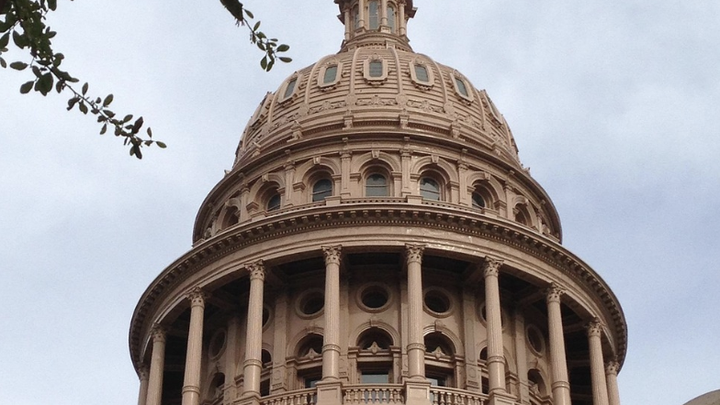
The Texas redistricting effort is a blatant power grab that violates the democratic principles this country is supposed to abide by. Not only is it an indicator of the declining health of the American Republic, it ushers in a cascade of further gerrymandering, undercutting the voices of both Democrats and Republicans around the country.
-
Shutting Down Isn't Reform: How Public-Private Partnerships Let Us Strip Down Government Smarter
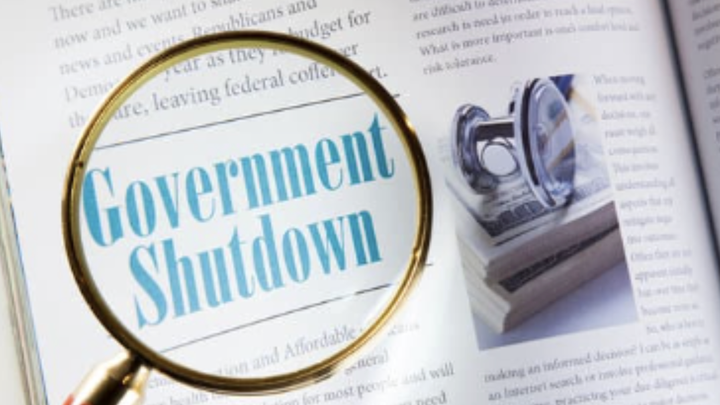
The recent federal shutdown displays how abrupt pauses on government programs can create widespread harm without always delivering reform. If we want a leaner, more efficient government, reform must come through precision tools like public-private partnerships, and not total shutdowns.
-
Not Being Republicans isn’t Enough for the Democrats to Win Back Voters
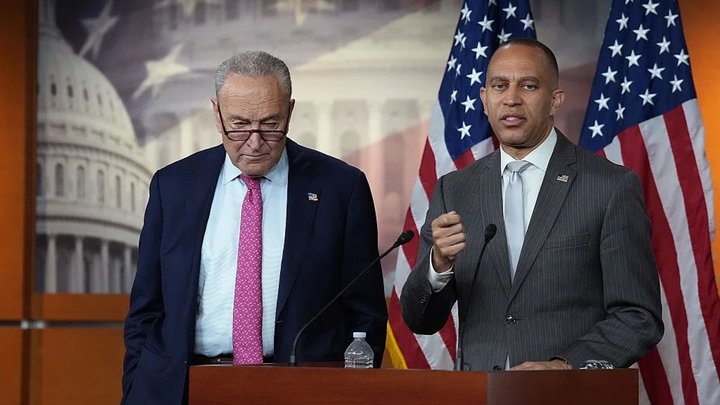
Even as the GOP embraces authoritarianism and accelerates wealth transfers to the rich, the Democratic Party’s time-worn message isn’t proving an effective counter.
-
Addressing the Viability of Same-Day Voting Registration
Voting registration dates can create a sizable barrier for citizens trying to vote. Same-day voting registration has arisen as a practical solution to aid in expanding access to the polls and increasing voter turnout, but faces numerous obstacles to be further implemented across the United States.
-
Examining Virginia's dysfunctional Republican ticket
In a time where MAGA seems more united than ever, Winsome Earle-Sears and John Reid, Virginia’s candidates for Governor and Lieutenant Governor, pose a striking contrast.
-

Sex Trafficking in Russia: An International Crisis Overlooked
State corruption, police complicity, and lack of global accountability enable Russia's role in global sex trafficking. Challenging harsher sanctions and collective international pressure, this article calls for action to rescue victims and break up traffickers' networks now.
-

Don and John: President Trump Looks to Leave His Mark on the Kennedy Legacy
More than half a century after the assassination of President John F. Kennedy, President Donald Trump took the Oath of Office for his second term as President of the United States. Only weeks into his term, President Trump has sought to make an indelible mark on the Kennedy name and legacy of the late president, with the ultimate goal of bridging the gap between two figures synonymous with American history for different reasons.
-
The Cold War never ended: An alternative framework for understanding contemporary global conflicts
Many scholars believe that the Cold War — a major global conflict between the United States, the Soviet Union, and their respective allies — ended in 1991 with the collapse of the Soviet Union. However, some scholars argue that the Cold War is ongoing and that it is crucial that we explore the impacts of this alternative framework.
-
The current case for the ERA
Recent rollbacks on womens’ rights create an atmosphere that necessitates the passage of the Equal Rights Amendment to uphold gender equality in the United States.
-
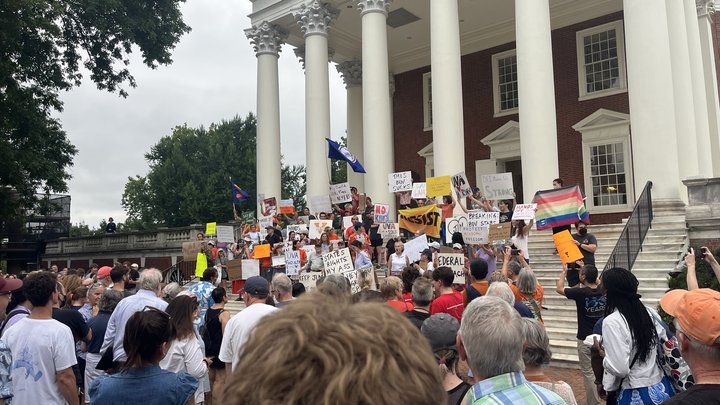
The undemocratic dismissal of Jim Ryan was not normal
Jim Ryan’s coerced resignation sets a dangerous precedent for the future of American democracy. Going forward, it’s critically important that students, staff, and the whole of the University make their voices heard.
-

What the Trump administration’s battle with Harvard means for the future of democracy
Trump has weaponized the federal government in a multi-front assault on some of the nation's best-known and most prestigious universities, particularly Harvard. However, through its resistance, the school has shown other universities—and potentially other parts of civil society —how to fight back.
-
Trump’s Three-Pronged Assault on Free Expression
Our country is facing an unprecedented assault on free expression. Trump’s attacks on the press and both individuals and institutions in higher education are troubling, to say the least.
-

Book Bans: An Ineffective Infringement of Freedom
In recent years, there has been an unprecedented onset of book bans, a phenomenon spearheaded by parents motivated to control their children's educations. Despite any positive motivation, these bans have adverse effects on the public education system as a whole.
-

Trump: A 19th-Century President in the 21st-Century
Donald Trump's Presidencies are often described as "unprecedented" and "norm-shattering," but his actions have clear inspiration from earlier presidents in our nation's history.
-

Is AI Taking Our Water?
As AI is continuing to expand, policymakers and tech companies alike should be aware of and take action against the costs it is imposing on the environment.
-

The Special Election Era: Trump, Turnout, and the Price of Polarization
Special elections weren’t supposed to cost tens of millions or draw the attention of billionaires, but under Trump, even low-turnout races are flooded with cash and national attention.
-

The Cult You’re Likely an Unwitting Member Of
From Jonestown to MAGA, cult behavior isn’t as distant as we think. America’s highly polarizing two-party system and the decline of religious affiliation has created the perfect storm for cult-like dynamics in our political sphere. From idolized leaders to in-group loyalty and out-group hatred, politics today mirrors many of the same psychological mechanisms as history’s most infamous cults.
-

Mark S. and Marx: Alienation in the TV series Severance
The television series Severance has gained tons of traction in recent months for its incredibly entertaining plot line—however, there is more to Severance than meets the eye. There are tons of Marxist themes throughout the series that deserve to be brought to light.
-

Data Privacy Needs an Update
The U.S. is a haven for technological innovation, but its privacy laws are far from comprehensive, leaving consumer data vulnerable. The U.S. ought to create overarching legislation to regulate and inform data privacy practices, ensuring consumer safety in an increasingly online world.
-
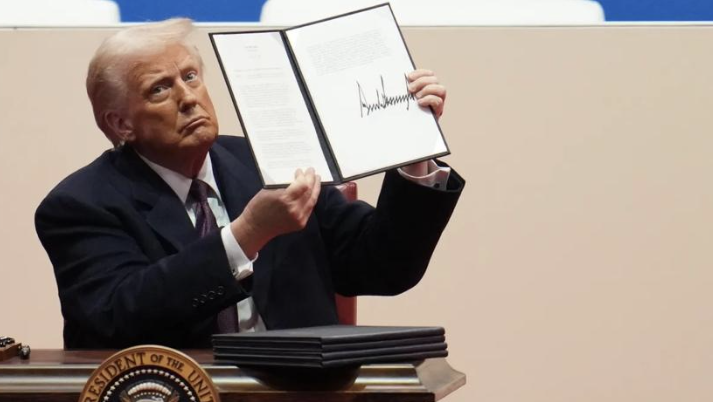
Cutting Class: The Trump Administration’s Crackdown on Educational Federal Funding
As executive decisions from the White House dictate the federal funding provided to United States academic institutions, students, researchers, and university administration alike face struggles with adapting to this new norm of education. The consequences of defunding are astronomical and have ramifications that may be felt for years to come.
-

Crypto and Centralization: The Hidden Role of Cryptocurrency in Democratic Advocacy
A look into the dangerous game of financial freedom and regulation, how governments can weaponize a centralized financial power against opposition protest movements, and the cryptocurrencies opposition movements rely on to persevere.
-
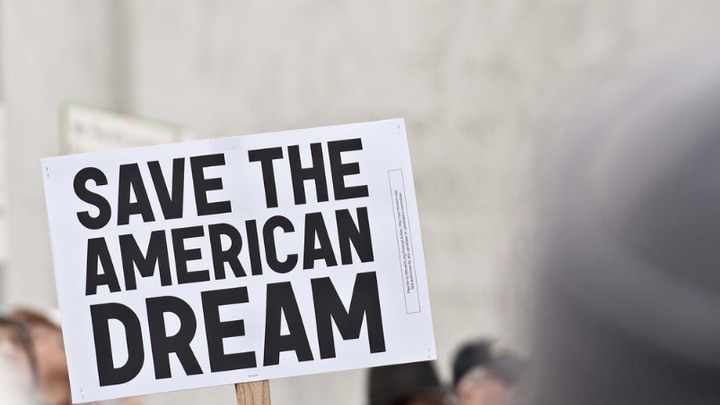
America: Home of the American Dream or the American Nightmare?
The idea of the American dream has become increasingly unachievable over the years, creating a culture of false hope among individuals who may never see their goals achieved within capitalist America.