Op-Eds
-

Elon Musk Is Not Special, Yet He Has Special Power. This Is Incredibly Dangerous.
The increasingly controversial Elon Musk owns some of the most valuable companies in the world. His recent turn toward misinformation propagandist and Donald Trump cheerleader, among other things, ought to raise questions about his competency and give Americans pause about the power he holds in our political climate.
-
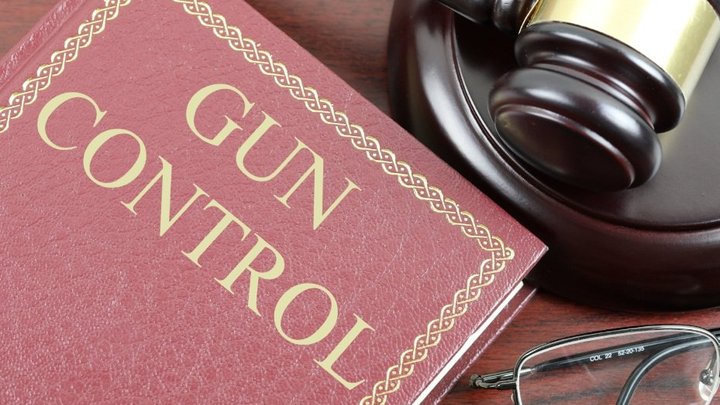
Why 2024 Ought to be the Most Important Year for Gun Rights in American Politics
The issue of gun rights is incredibly potent in the modern political and societal culture in the United States, coming under intense review and partisan criticism in recent years. However, not nearly enough attention is being given to such a crucial topic ahead of the upcoming election cycle, one that will prove crucial for the future of the nation’s precedent on gun control.
-
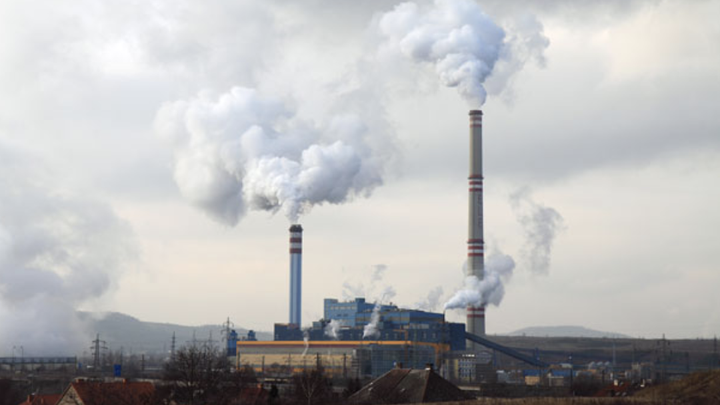
Why the Power Plant Rule Needs a Second Wind
The EPA’s proposed Power Plant Rule aims to drastically cut carbon dioxide emissions from coal-fired power plants, which produce a significant share of the nation’s greenhouse gases. While the rule’s ambitious targets for emissions reduction have sparked controversy, it underscores the need for innovation in carbon capture technologies and renewable energy to effectively combat climate change.
-

The Real Cities of the Future: Redesigning American Cities to Serve Us
Endless suburbs, highways, and urban sprawl seem to define the modern American city due to various cultural and political reasons. Yet such development contradicts the fundamental desires of the American public. How can cities work to transform their infrastructure to embrace both urbanization and walkability?
-

Rejected: How the Increase of Women in Higher Education Leads to Admissions Discrimination
As more women apply to college than men, they face increasingly higher admissions standards, particularly at elite universities striving for gender-balanced classes. Despite progress in gender equality in higher education, this trend raises concerns about unintentional discrimination against women in the admissions process.
-
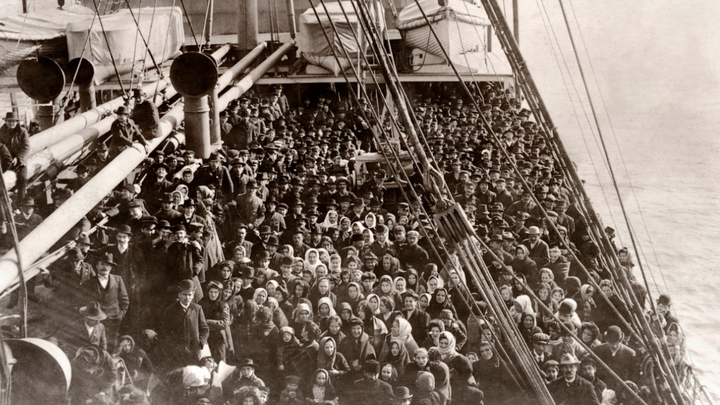
The “Public Charge Clause” and the Role of Arbitrariness in Historic Immigration Policy
Both in 19th century and modern-day U.S. politics, the public charge clause serves as a problematic vessel for anti-immigration rhetoric and movements.
-
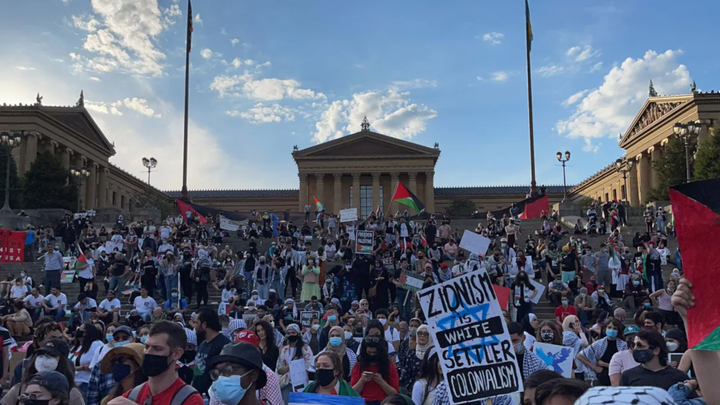
The Underlying Motives of University Encampments
The BDS movement, particularly in the case of Palestinians, appeals to the morality behind standing with the oppressed.
-
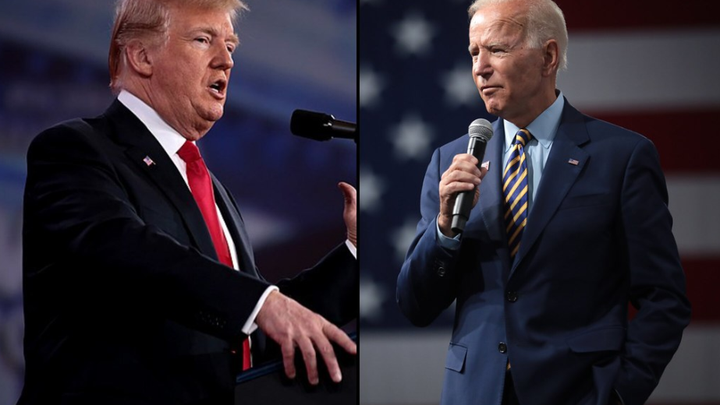
Deja Vu: Voters and the Political Climates of 2024 and 2020
This year's presidential election gives us all deja vu as the same two opponents face each other again. Who will pull out the win this time?
-

You Go Girl!: The Swinging Pendulum between the Girlboss and the Modern Stay-At-Home Girlfriend
Today, the docile role of the homemaking woman may seem to be a figure of the past, but has in fact revived itself through a social media trend termed the Stay-At-Home Girlfriend.
-

Selective Services: Prejudiced or Pragmatic?
The Selective Services system has negatively impacted the livelihoods of men for decades. Assuming this system will remain in place, it begs the question of whether or not women should also be required to register.
-
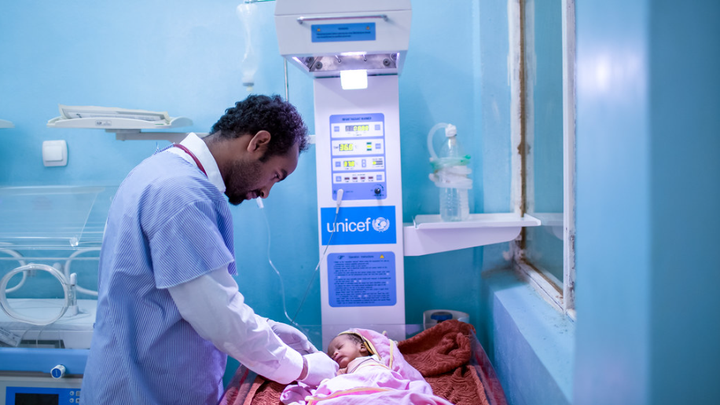
Our Unsure Future: Legislation in the Age of Emerging Reproductive Technology
In a world of rapidly evolving technologies in reproductive medicine, adaptation is both a challenge and a necessity. The development of ectogestation and similar reproductive technologies calls into question abortion legislation and cultural norms across the United States.
-

Argentina’s Democracy in Crisis: The Rise of Populism and Working Class Dissatisfaction
President Javier Milei's rise in Argentina highlights working-class frustration with political elites amid economic and social crises. His election mirrors populist trends that have recently been observed on a global scale.
-

Understanding the Erasure of Alevis in Turkey: Lessons to Be Learned
There are around 20-25 million Alevis in the world, but they remain unknown to almost the entire world. The deliberate erasure of the Alevis in Turkey has rendered them globally invisible and their suppression continues even at the University of Virginia. Why has the world effaced the Alevis and what can we learn from their erasure?
-
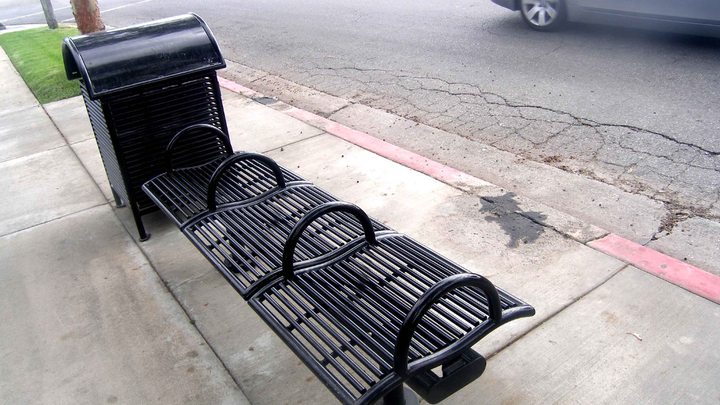
How Hostile Architecture Works as a Function of Capitalism
Hostile Architecture has pervaded our most popular cities, presenting new challenges to the homeless population. Why are our public spaces dictated by the interests of capitalism rather than for human need?
-
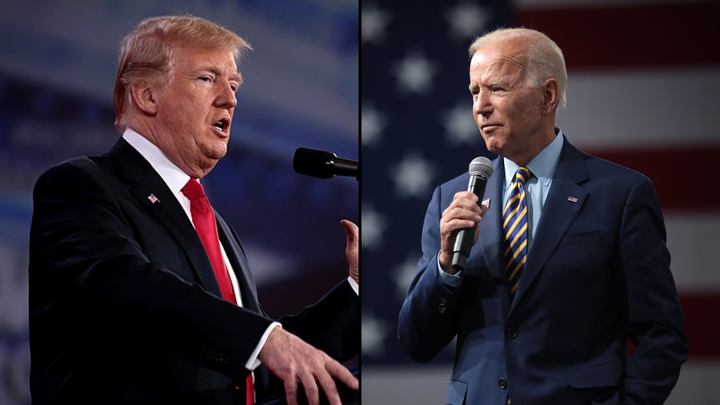
The Case for Voting for Third Party Candidates
Looking at the upcoming election, Americans are not happy with the presidential nominees. Voting third party is a viable solution to create substantial change within a two-party system.
-

The Ever-Present Nuclear Threat
The threat of nuclear war constantly surrounds us. So why don’t we think about it and what can we do to reduce that threat?
-

Prudence Under Pressure: Why Today’s Leaders Should Emulate The Foreign Policy of President John F. Kennedy
With problems and conflicts escalating around the world, sometimes the best answer lies in examining the past.
-
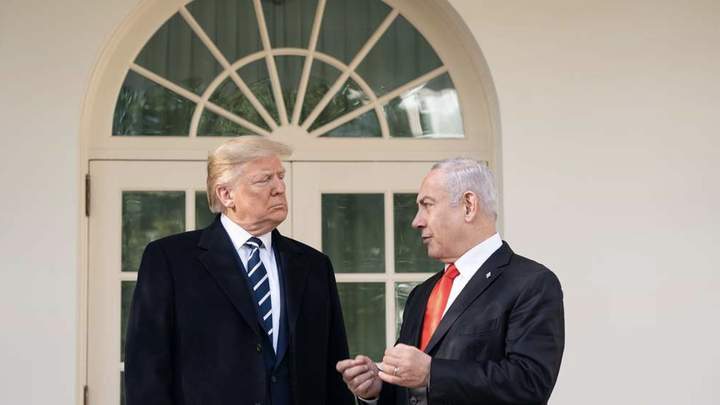
On 2024 and the Middle East
There are many issues on the ballot for the 2024 election, but will the conflict in the Middle East take center stage? Explore how this pivotal issue intersects with domestic policies and the ongoing debate between Biden and Trump in a fiercely contested electoral rematch.
-

Hallucinogens and Productivity: Do hallucinogens have a place in the academic world?
Can hallucinogens be used in academia? Explore the potential of these substances as transformative tools for enhancing creativity and mental health in university settings.
-
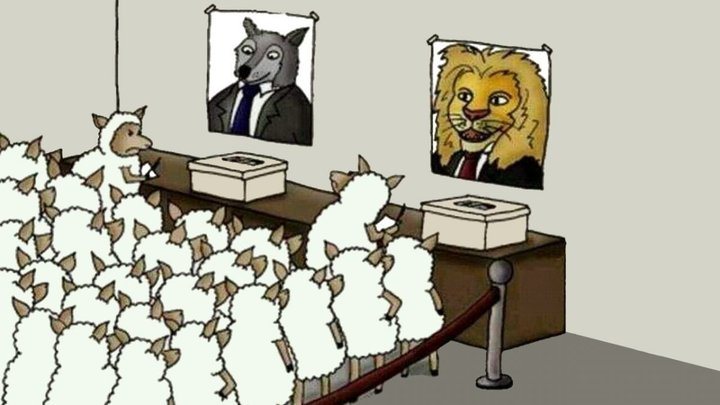
Two Party System: The Lesser of Two Evils Is Still Evil
It’s time to end the two-party binary in America. Real democracy is about voting on one's conscience, not through coercion.
-
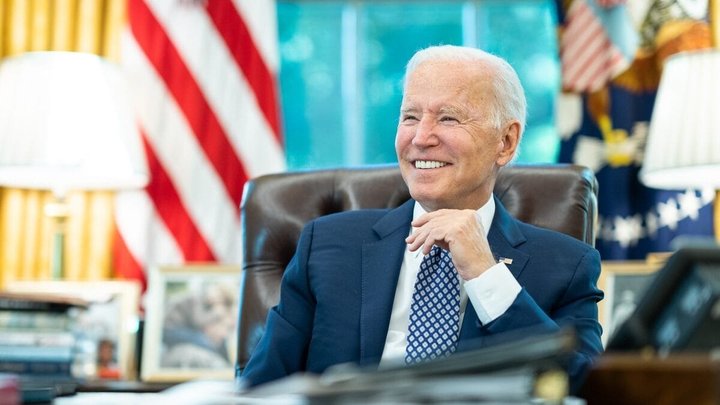
Reformation During the Resurgence of Industrial Policy Under the Biden Administration
“President Joe Biden talks on the phone with Tennessee Governor Bill Lee...” by The White House is licensed under CC0 1.0 DEED
-
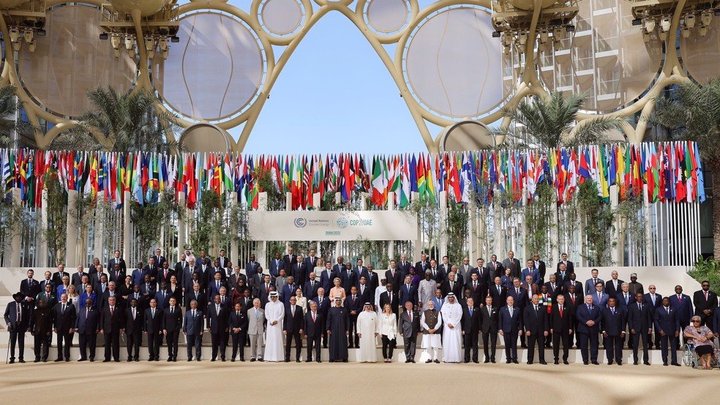
COP 28: Where Do We Go From Here?
Delegates at COP 28 reflect progress in climate finance and cooperation. Yet, there is still an urgent need for efforts combating climate change.
-

“French Go Home:” Why are Relations Between France and West Africa Melting Down?
A wave of diplomatic breakdown between France and its former colonies has swept West Africa, stirring a heated debate and reflecting escalating anti-colonial sentiments. The controversy highlights historical tensions and calls for a reevaluation of France’s relationship with the region.
-

María Corina Machado: ¿El futuro de Venezuela u otra esperanza perdida?
En tiempos de crisis, dictadura y tragedia, María Corina Machado es la única persona que puede salvar a Venezuela.
-
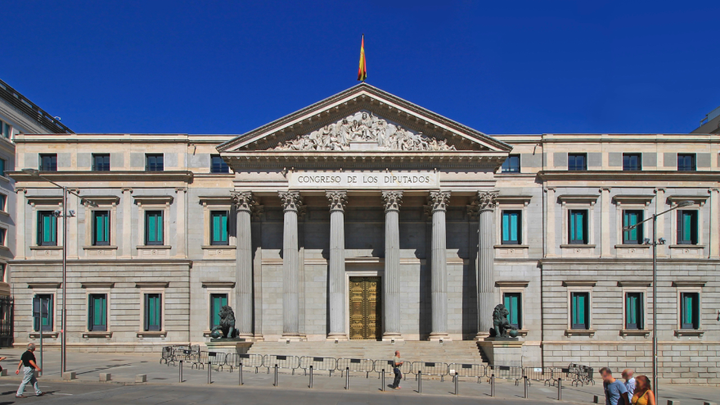
El multilingüismo dentro del Congreso de los Diputados: El PSOE promueve la “representación lingüística”
El Congreso de los Diputados ha adoptado la norma de “representación lingüística”, pero datos electorales sugieren un motivo menos sencillo que respeto.