Op-Eds
-
George Santos Fabricated Campaign Has Changed Elections for the Foreseeable Future
Recent evidence has surfaced exposing congressman George Santos of multiple campaign fabrications that could change the future of US elections.
-
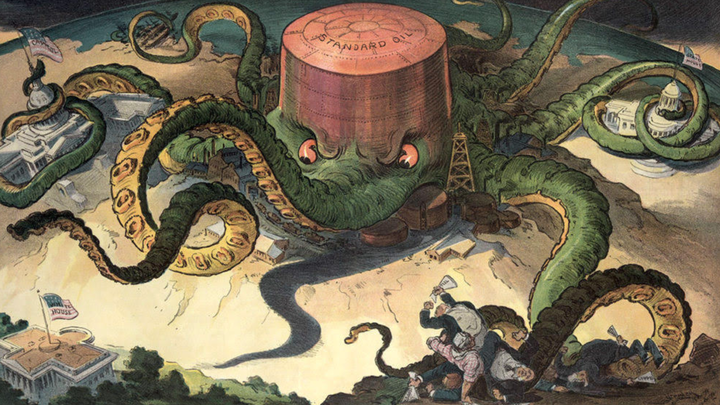
How Incrementalism Destroys Progress
Often times, the American people are told that only incremental, slow change can be achieved. They are told that moderate politicians have ostensibly the same goal, to help, but are just more realistic than "radicals" like Bernie Sanders. Despite consistent polling to the contrary, politicians aligned with corporations have claimed that they stand with the people in opposition to a stronger social safety net. These are lies. Through corporate induced, profit motivated obstructionism, supposedly "moderate" politicians blocked popular initiatives while those who advocated the bill shied away from confrontation to the detriment of their cause.
-
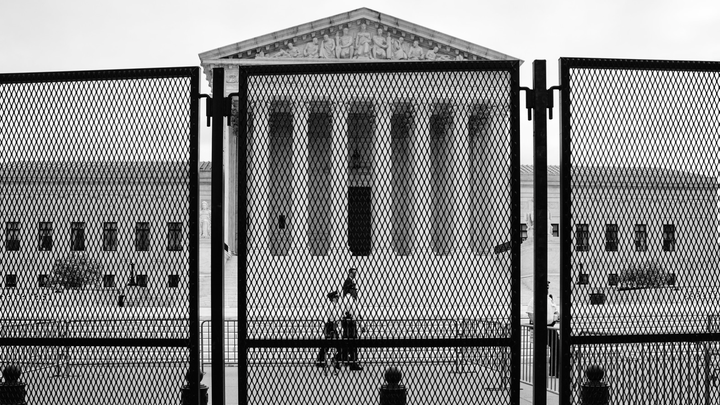
Deference: Police Accountability and the Court
In constitutional questions regarding police encounters, the Supreme Court often defers these decisions to Congress. In doing so, the rights of citizens to seek justice for the wrongful behavior of law enforcement officers are left in the hands of hyperpolarized politicians who fail to hold police accountable, leaving the rights of citizens in legal limbo.
-
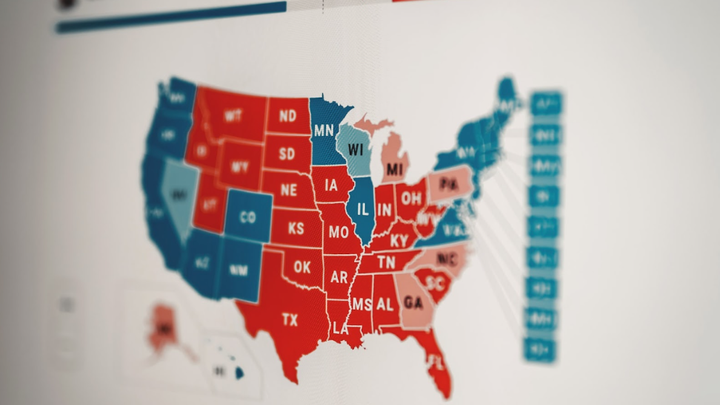
Is There Hope for Bipartisanship in America?
When partisan divides appear stronger and more rancorous than ever, many Americans have been left without hope for the political future. Yet, in the midst of these tensions, there have been notable instances of bipartisan efforts across levels of government.
-
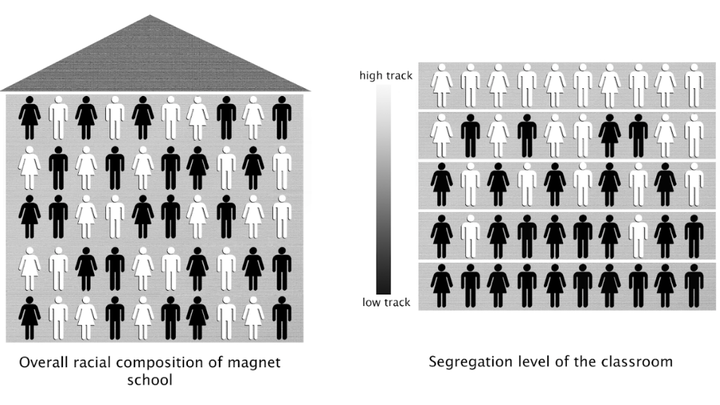
Tracking in Our Education System
The process of student tracking, despite seeming practical, has had many unhindered consequences on student education, particularly with the education of minority students. At first glance, this system makes perfect sense by having students placed into classes seemingly catered to their experience and abilities, but studies on the effects of tracking suggest it may be perpetuating systemic racial and socioeconomic inequality.
-
The (Lack of) Separation of Church and State
The first amendment clearly states that the federal government shall not interfere with US citizens’ religious freedom. But does this mean that religion and politics are completely separated in the United States today?
-
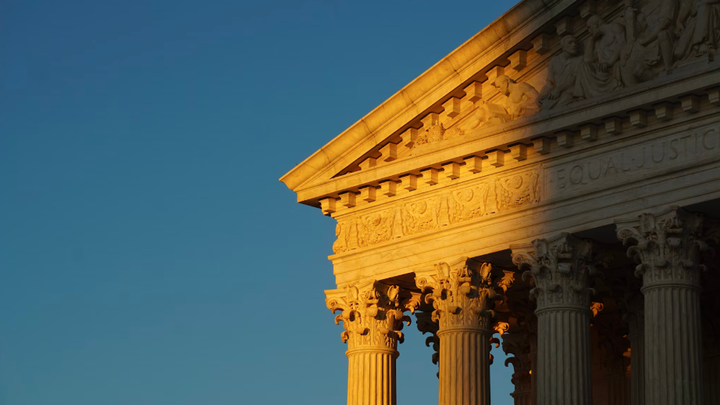
Congressional Inaction is Forcing the Supreme Court into the Firing Line
Over recent decades, Congress has progressively grown less effective, forcing the Supreme Court to address these issues in ways that are inconsistent with public opinion. Recent controversial decisions have led to questions regarding the legitimacy of the Supreme Court and the need for judicial reforms.
-

Winter is coming for the West, But for Russia Too
Analysts paint a bleak picture of the coming winter for Ukraine and the West, but the realities of the war and the economies involved show a brighter winter for Ukraine and its allies, and a much harder winter for Russia.
-

Why You Shouldn’t Watch the World Cup
Throughout history, the sports entertainment industry has been considered a beloved spectacle that creates inerasable memories and unites communities around the globe, but it is becoming increasingly evident that these events have often been used to cover up more pain than the joy they provide. Powerful agencies use the sports industry as a guise for their cruel and monstrous crimes, and nowhere is that more evident than the upcoming World Cup in Qatar, requiring immediate action from everyone - even the fans behind the screen.
-
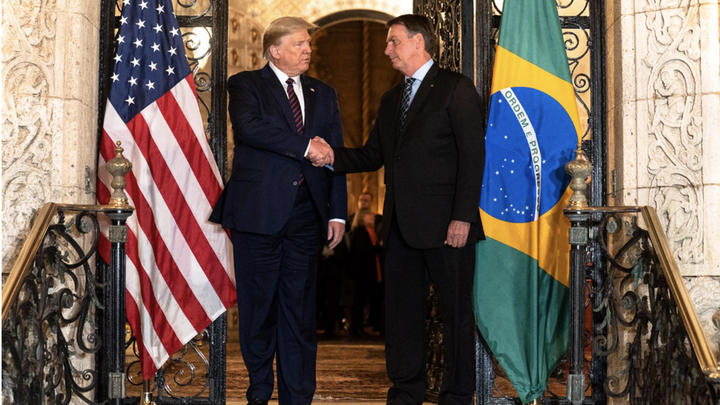
Trump, the Brazilian Far-Right, and the 2022 Presidential Elections
The similarities between Former President Donald Trump and Brazil’s Jair Bolsonaro are unmistakable, but there is still hope that the end of Bolsonaro’s presidency will be far more peaceful than Trump’s.
-

Puerto Rico: Powerless in More Ways Than One
With the recent destruction of Hurricane Fiona on Puerto Rico, the US now seeks to quickly provide aid to the territory. But even as they attempt to do so, they’ve continued to ignore a better, long-term solution that would supply greater benefits to the island: statehood.
-
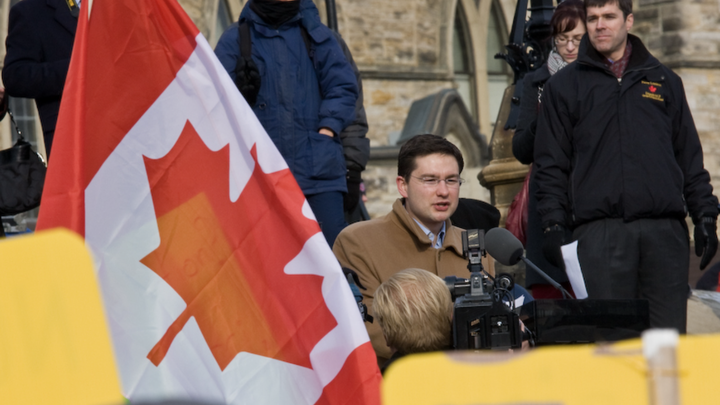
Is Trump’s Brand of Populism Changing Canada?
Pierre Poilievre’s antics are concerning, but does he really represent a trend towards populism?
-
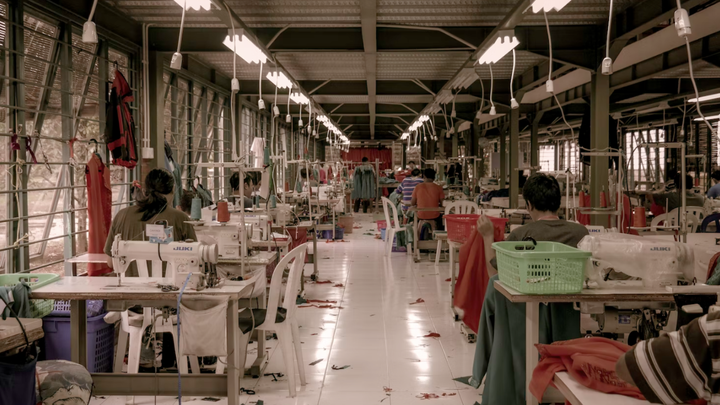
Fashion Police!: Fast Fashion and Its Inevitable Environmental Demise
In recent decades, clothing brands have generated an American culture centered around fast fashion. Consumers should remain aware of various ways to oppose these fast fashion companies and their damaging effects on the environment and economy.
-
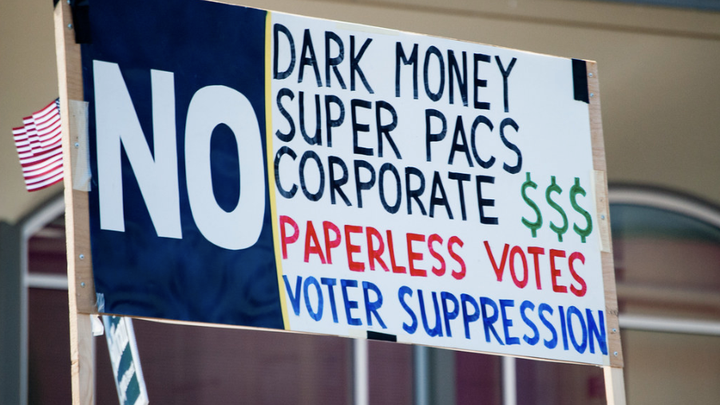
Shining Light on Dark Money in Politics
Political spending from anonymous donors—dark money—has infected American politics on both sides of the aisle through elections and the court system. One Senator in particular has been on a years-long crusade to shine light on the problem, but his most recent attempt was blocked in the Senate. Voters deserve accountability in government and it is our representatives’ responsibility to take action on dark money.
-

Outside Spending Has Corrupted Our Elections
In a midterm election expected to break records for campaign spending, increased scrutiny has been placed on the contributions of Super PACs and mega-donors. Reigning in those sources of dark money is key to citizens maintaining control of our democracy.
-
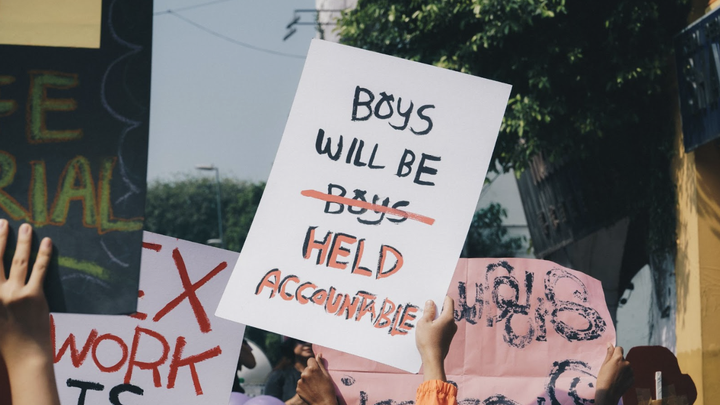
Gender Norms: Who Wins?
When it comes to sexism and gender norms, it’s simple to point fingers at men. What if it’s not that easy in reality?
-
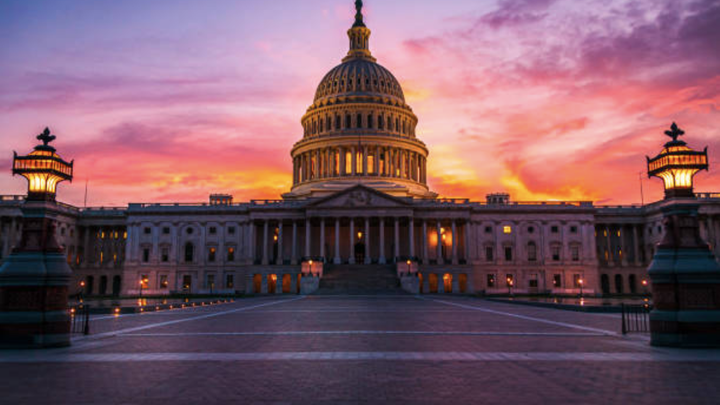
Do Democrats Have a Prayer in the House?
Dobbs v Jackson Women's Health and a strong summer for Biden have created the conditions for Democrats to potentially keep the House. In a race where every seat counts, the party needs to embrace effective campaigning to boost their chances.
-
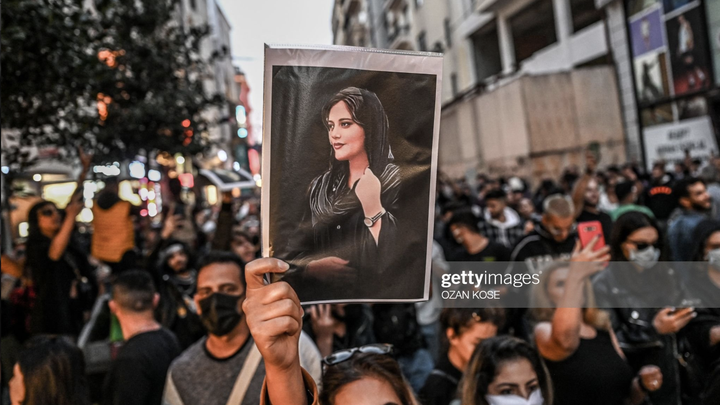
Breaking the Binary: A Story of Iranian Women
One woman’s death has shaken the nation, shifting the trajectory of the Islamic Republic of Iran. This event is not a call for Western civilizations to save women; instead, it is a call to action against the existing institutions of Iran and the necessity to deconstruct a harmful binary.
-
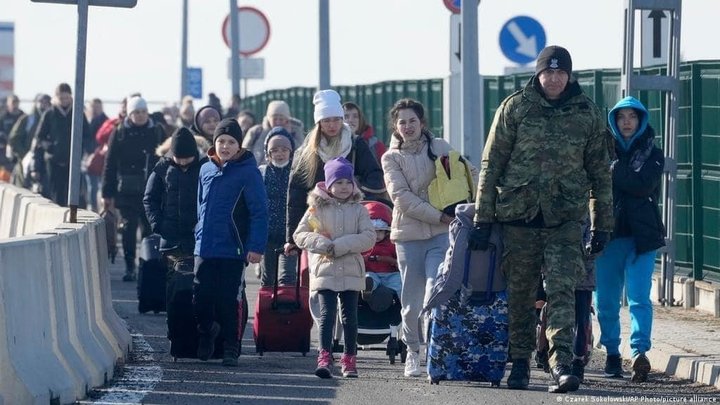
The Refugee Double Standard
A bright moment in the Russia-Ukraine conflict has been the remarkable welcoming of millions of Ukrainian refugees into bordering European countries. However, this prompts the comparison to Europe’s less rosey reception of Middle Eastern refugees in the recent past.
-

Media Perceptions: Painting a Distorted Image of Guilt and Innocence
Johnny Depp is a name we grew up with. Appearing in Pirates of the Caribbean, the 2005 remake of Charlie and the Chocolate Factory (amongst numerous other Tim Burton films), it is also a name that is caught in the midst of a civil suit that is feeding into the existing social culture surrounding domestic violence and abuse. Whether a Johnny fan or a mere spectator, understanding public perceptions in Depp v. Heard characterizes the nature of bias, influence, and resulting polarization through the media.
-
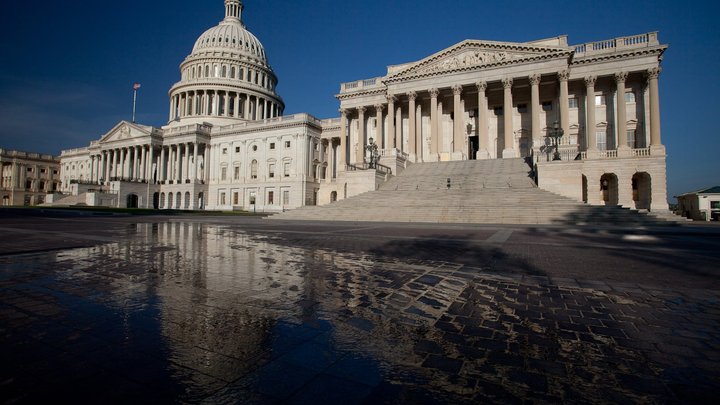
Recent Jackson Hearing Sparks Questions About Senate's Power of Advice and Consent
In the past decade, the practice Advice and Consent has caused enough conflict to question whether its purpose has been tainted by politics.
-
Bipartisan Gun Reform Falls Short
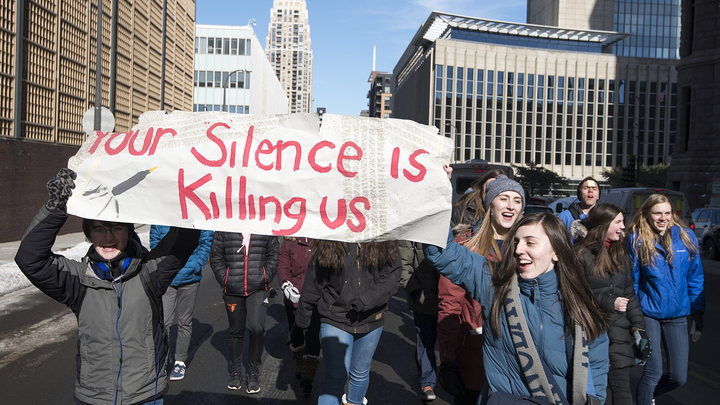
Congress’s Bipartisan Safer Communities Act may be the first major federal gun legislation passed in over two decades, but it is not bold enough to significantly reduce the staggering, devastating gun violence across America.
-

How Our Patent System Exacerbates Global Vaccine Inequity
The western response to the COVID-19 crisis was criticized for failing to properly assist low income counties. Changing the patent for Covid vaccines would lower informational barriers between high income and low income counties.
-
Toxic Grading Culture: The Consequences of Grades on the Learning Experience
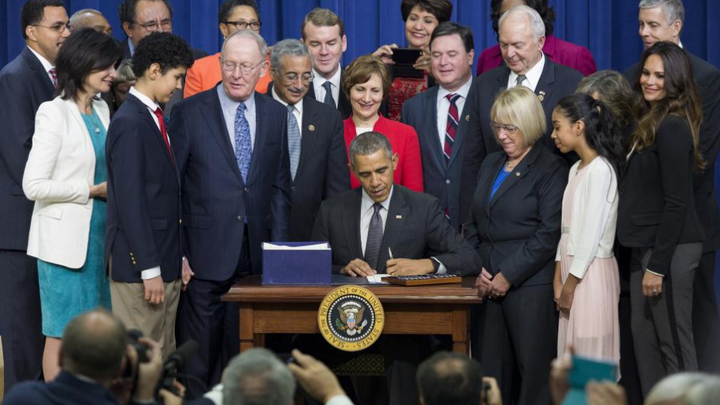
Grades, as a tool for measurement and for learning, are a fundamental part of American education but its negative effects often go ignored. As studied by psychology, grades are immense obstacles to curiosity and the long-term learning of students.
-
Biden’s Opportunity in the Ukraine Crisis
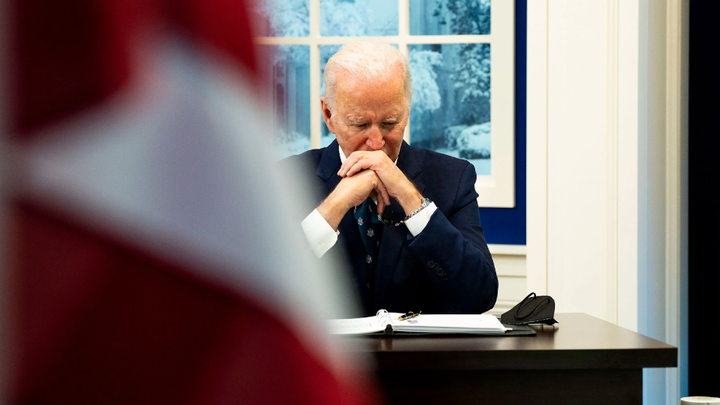
The Biden administration has thus far succeeded in its attempt to reestablish America’s credibility abroad following the turmoil of the Trump era. The Russian invasion of Ukraine has further united the West, and presents an opportunity for Biden to prove that the Western world can be a model in global leadership.