Op-Eds
-
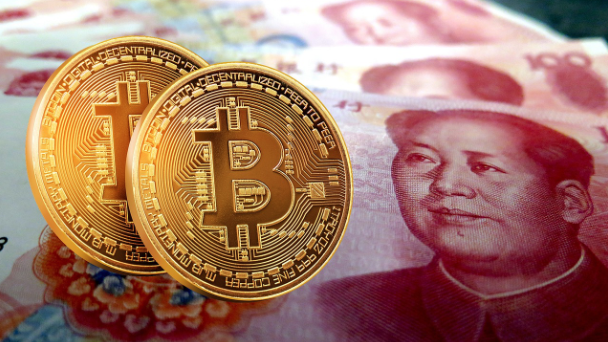
Digital Currency and the Threat of China
The rise of China prompts competition on all fronts, including the lucrative and dangerous business that is digital currency.
-

Judge Ketanji Brown Jackson: More than just checking a box
Ever since Ketanji Brown Jackson was nominated by President Joe Biden and recently confirmed by the Senate to be the next member of the Supreme Court, discourse continues to rage over whether she is qualified for the position. Are critics of Jackson right in their doubts, or are they mistaken?
-
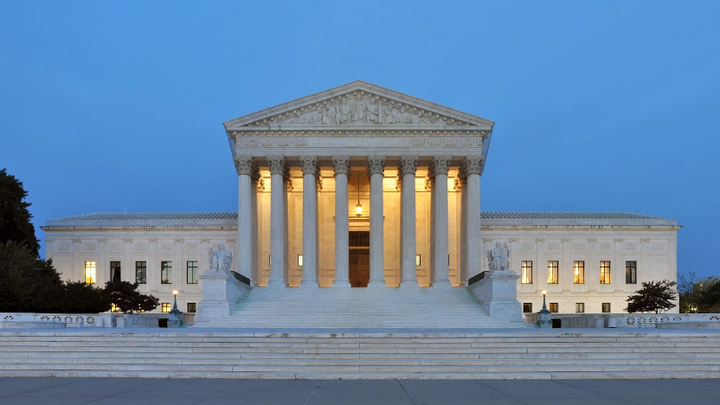
SCOTUS Considers Genocide
The Indian Child Welfare Act prevents Native children from being removed from Native communities. Some want to see it overturned, but doing so could lead to genoicide.
-

The Silence of Lewis Hamilton
Lewis Hamilton did not lash out or say a word after his painful defeat to rival Max Verstappen at the Abu Dhabi Grand Prix, the last race of the 2021 Formula One season. But the reactions to his silence tell us that his very presence, even in silence, has been rendered disruptive.
-

History Repeated: Thucydides and the Ukrainian Crisis
What can a historical account written in 5th century BC tell us about the Ukrainian crisis? While President Zelensky pleads he does not want Ukrainian history to be told as “a legend about 300 Spartans,” the Russian invasion is just that: Ukraine versus Sparta. Here’s how great powers in geopolitics shape international relations and incite war.
-
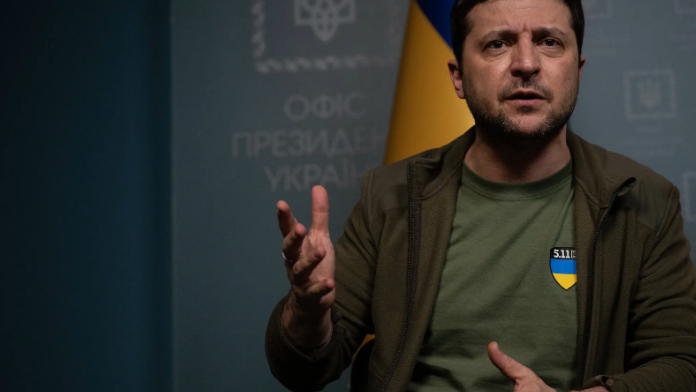
The War of the Information Domain: Ukraine versus Russia
International tensions are remarkably high because of Russia’s invasion of the sovereign nation of Ukraine. Although Russia seems to have the upper hand, Putin’s military campaign has hardly been a success. The success of this inspired Ukrainian resistance can be credited to the information war at hand.
-
Personality and Political Polarization
When it comes to political polarization, are differences between American political parties’ personalities the cure or the disease?
-
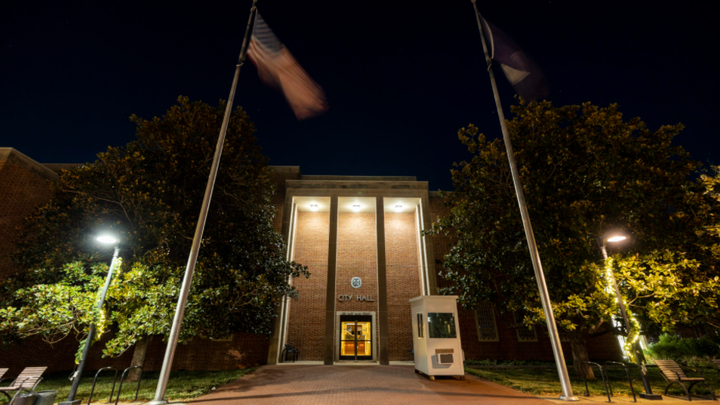
Shifting the Focus: State and Local Politics Spotlight
American news media is consistently flooded with doom and gloom stories about Senate gridlock and bills stalling out. Meanwhile, behind the scenes, local and state politicians are working to make real changes that affect our everyday lives. Let’s shift the focus.
-

Attorney General Miyares, the Whole World is Watching
University Counsel Tim Heaphy was fired by the Virginia Attorney General in January. The firing made headlines due to Heaphy’s leave from UVa to be counsel for the U.S. House panel investigating the January 6th insurrection. Although Attorney General Jason Miyares’ office denied they were firing Heaphy due to his role on the January 6th committee, the firing was a move to punish Heaphy for his role in holding former Trump officials, some of whom endorsed Miyares, responsible.
-
Celebrities’ Decay of the Democratic Spirit
Is the increasing prevalence of celebrity influence on politics threatening the spirit of democracy?
-

The Case for Electoral Reform
Tension over political representation and election integrity reached a violent boiling point during the January 6th riots. Voters on both the left and the right feel a fundamental disconnect from their elected representatives. Only comprehensive electoral reform aimed towards proportional representation can address the concerns of the U.S. voter.
-
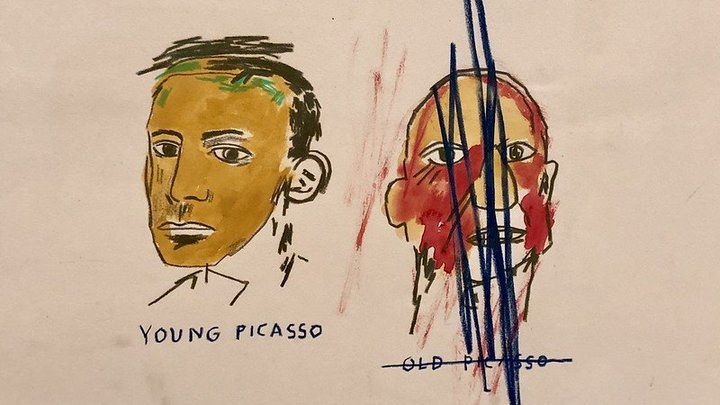
News that Gets Old: The Deradicalization of Art
To push beyond the boundaries of mere tokenization, we must pay attention to how art from marginalized voices reckons with dominant structures.
-

La Paradoja de la Academia
La nueva reforma de inclusividad de la Academia suena como un gran cambio que promueve la credibilidad de la institución, pero cuando vemos con más detalle la situación, podemos sacar diferentes conclusiones y hacernos varias preguntas.
-

The Free Britney Movement Raises Questions about Conservatorships
Briteny Spears public legal battle questions whether conservatorships are constitutional for young disabled patients.
-
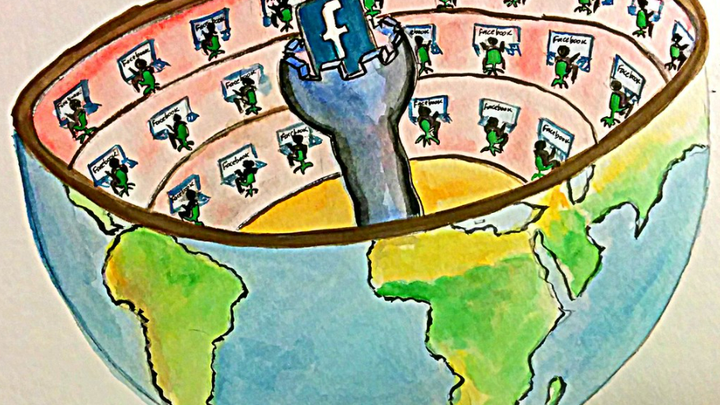
The Digital Panopticon: How Online Communities Enforce Conformity
Social media is a Foucaultian nightmare. Conformity within online groups is strictly enforced, not only by a nameless watchman, but by other members of the group as a whole. Participatory surveillance ensures that everyone acts as both the watcher and the watched, and has no room to deviate from the group’s established norms.
-

The Pandemic’s Effect on Low Income Schools
The improper funding given to low-income schools amidst the pandemic as well as the continuation of a remote learning model in school systems is widening the education gap amongst the upper and lower classes of American society.
-
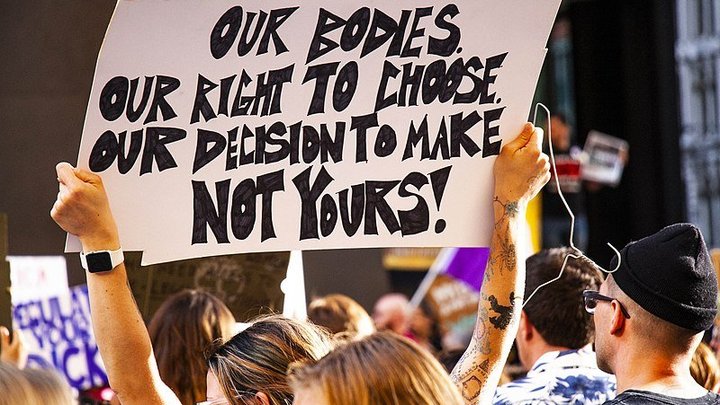
‘My Body, My Choice’ Beyond the U.S. Mainland
The lack of quality health care infrastructure in Guam is an opportunity to reimagine the United States’ relationship with its territories. The future of Guam’s population and other U.S. territories' livelihoods rests on the diligence of its governing body to listen to its people whose demands remain overdue.
-

The NBA Is Not A Vaccination Battleground
The NBA has become a focal point of the ongoing COVID-19 vaccine debate due to an outspoken minority of players getting massive media attention. This irresponsible and inaccurate framing does a disservice to the League and to the vaccine conversation as a whole.
-

Japan's 100th Prime Minister is a Step Backwards for the LDP
Kishida Fumio has assumed the top post of Japan’s parliament following a contested intra-party election. The Liberal Democratic Party is taking a gamble against popular opinion that places Kishida in a tough spot for lasting as Prime Minister.
-
America's Growing Educational Divide
With educational polarization on the rise, how will this trend help this decade’s political fault lines?
-

Hypocrisy of the Met Gala
The Met Gala is well known for its exclusive guest list, expensive tickets, and iconic outfits. But beneath this glamour lies widespread hypocrisy and controversy.
-

AUKUS Prioritizes China in Midst of Diplomatic Botch
The United States and Australia securing the Indo-Pacific amidst Chinese growth regardless of diplomatic mishap with the French.
-
Facebook is Failing the World—And They Know It
Former Facebook employee Frances Haugen leaked thousands of internal Facebook documents that went public in what became known as The Facebook Files. The documents shockingly reveal how Facebook is tearing people apart and shed light on the platform's disastrous attempts at self-regulation.
-

Biomass Energy: Environmental Friend or Foe?
Green and renewable energy is a key component of combating global warming. In the United States, the question of whether biomass is a form of renewable energy is still under debate,. To preserve the integrity of the carbon neutral nomenclature, Biden should not include biomass energy from his carbon neutral plan.
-

Xinjiang and Kashmir: Two Parallel Cases?
The Xinjiang case and Kashmir case are not commonly regarded together. However, a transnational approach cognizant of the similarities and differences between the two is needed to understand developments in the India-China region.