Op-Eds
-
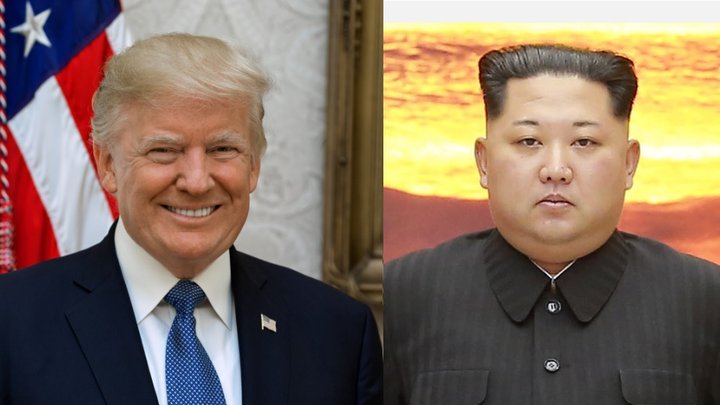
A Bloody Nose on the Ice in PyeongChang
As tensions between the United States, North Korea, and South Korea rise, adhering to diplomatic courses of action becomes increasingly essential, despite the assertions of proponents of hard power.
-

North Korea and the Olympics: What is their Strategy?
Occasionally, North Korea is handed an opportunity to smile for the cameras and look innocent. The Pyeongchang Olympics was one of them.
-

American Exceptionalism and LGBTQ+ Rights Around the Globe
The myth of American Exceptionalism and how it detrimentally affects the LGBTQ+ rights movements around the globe.
-

Undergraduate Research and the Commodification of the Academy
The current structure of academic research that demands many more students that leaders is unsustainable, leaving thousands of would-be academics unemployed in their profession - or just plain unemployed.
-

Conservation Easements; The Unsung Heroes in Environmental Policy
A crash course on how localities can be on the forefront of environmental conservation and sustainable development.
-

Virginia’s Economy Has a Diversification Problem
Only ten years ago, the Commonwealth of Virginia experienced an economic boom that saved most Virginians from the worst of the Great Recession. During Virginia’s 2017 Gubernatorial election, however, addressing the economy was a topic of intense debate. Serious underlying problems have come into the public view, and hard decisions are coming for Virginian policymakers.
-

Making the Case for Separation: Nationalism in Cataluña Under Review
In light of recent events in Cataluña, Spain and their claims for secession and independence from the rest of the country, as well as Britain’s very recent exit from the European Union, people remain utterly perplexed in regards to the logistics and complexity of the process of “breaking away.” Is there a “right” way to make the case for separation, a correct and legitimate way of going about initiating independence?
-

Can the U.S. Learn from the Danish Primary Care Model?
As an American student studying abroad in Denmark, I have observed and experienced stark differences between the American and Danish healthcare systems, most notably the fact that Denmark provides universal healthcare for its citizens. There are elements of the Danish system that could be implemented in the United States to increase the access and quality of U.S. care, particularly the Danish primary care model.
-
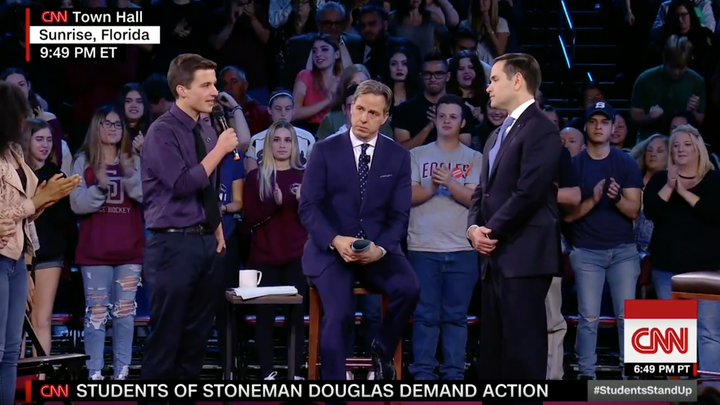
Appreciating the Marvelously Unfiltered Rhetoric of the Parkland Student Survivors
The Parkland students stand out for their direct confrontation of the gun-rights debate, in an age where directness and politics have become antithetical.
-
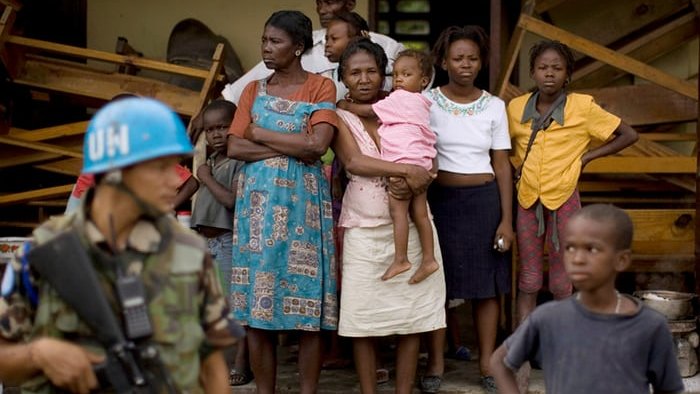
The U.N. Is Running Out of Time to Fix Its Sexual Assault Crisis
Last week, the United Nations convened its 62nd Session on the Status of Women with the theme, “Challenges and opportunities in achieving gender equality and the empowerment of rural women and girls.” But perhaps what many of those rural women and girls across the 193 member states of the U.N. really need is protection from the U.N. peacekeepers sent to help them.
-

The Argument Against Merit-Based Immigration
The issue of immigration reform has been a staple in Congressional debate since Trump took office. However, the GOP focus on immigration as a tool to stimulate the US economy through the prioritization of “highly-skilled workers,” while outwardly neutral, may become racially discriminatory and harmful to the US labor force in practice.
-
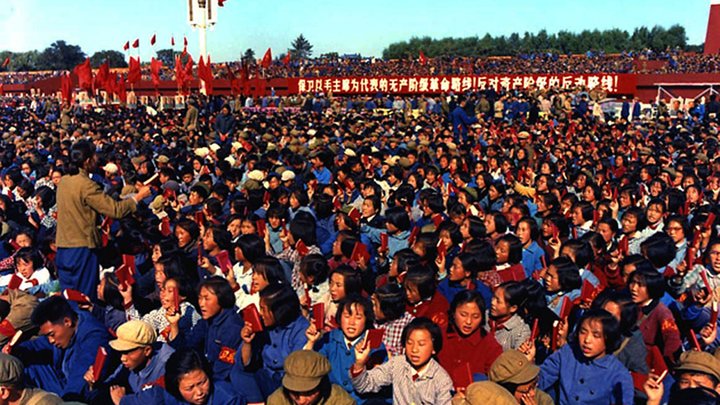
Lessons from the Red Star: Up to the Mountains and Down to the Villages
How did Mao Zedong deal with dangerous political polarization in his country? Vigorously and with great force.
-

An America Beguiled by Death
Charleston and Parkland: two tragedies, two presidents, two responses to the same modern horror.
-
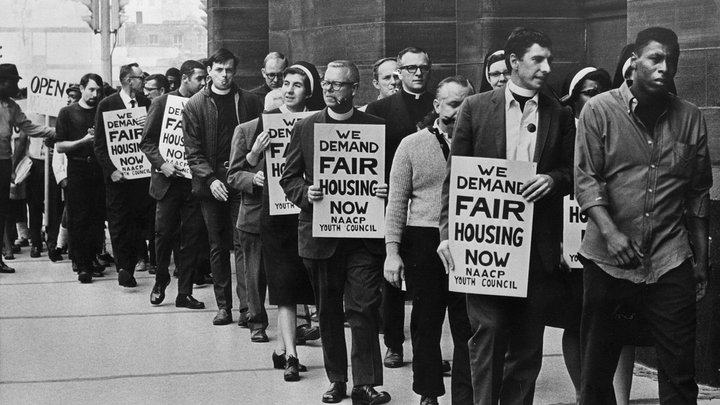
Housing Discrimination: Where It Comes From and Where It’s Going
To tackle the true source of poverty in the United States, policymakers and advocates need to look at the country’s history of housing discrimination and develop solutions that build inclusive communities.
-
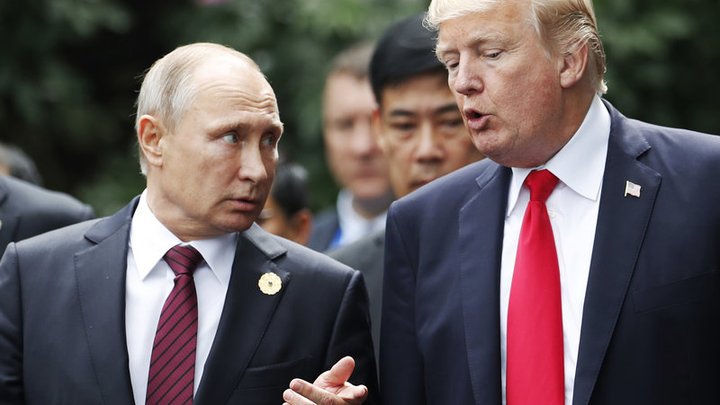
What About “Whataboutism”?
President Trump is spearheading an American revival of “whataboutism” -- the old Soviet, finger-pointing technique. Mr. Trump and his supporters are using the rhetorical device to consistently divert attention away from important issues, ranging from white supremacist rallies to Russian collusion.
-
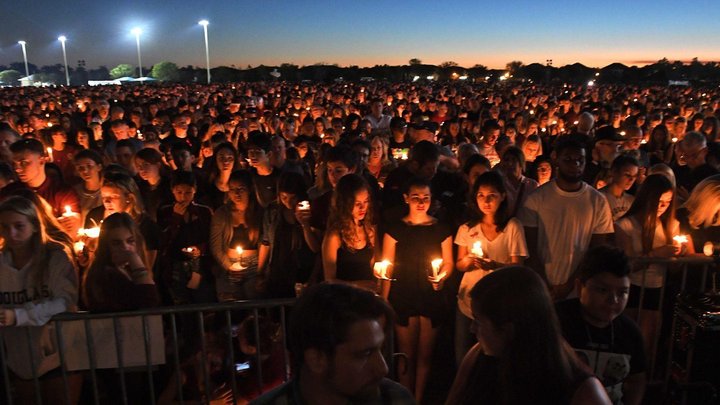
The Endurance of Tragedy
Tragedy and violence have unfortunately dotted recent history. So why do we remember some of these tragedies, but not others?
-

The Impact of Tax Reform on Private Equity
The Tax Cuts and Jobs Act will incentivize private equity firms to focus on improving the profitability of portfolio companies as a means of generating acceptable returns for limited partners.
-
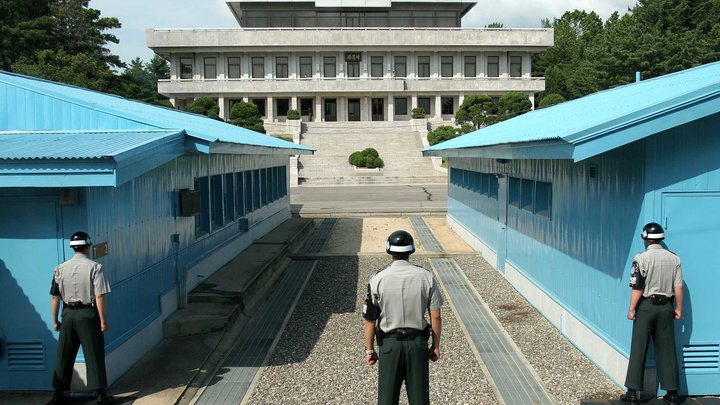
Why Doesn’t the U.S. have an Ambassador to South Korea?
In the midst of increasing tension between the United States and North Korea, it seems as though a permanent ambassador to one of our closest allies in the region would be a top priority for the Trump Administration.
-

Who is Responsible for Solving the Rural Broadband Market Failure?
Many people across America, especially in rural areas, lack access to broadband internet, and progress has been slow on finding a solution.
-

E Pluribus Unum?
In defense of a moderate American nationalism
-
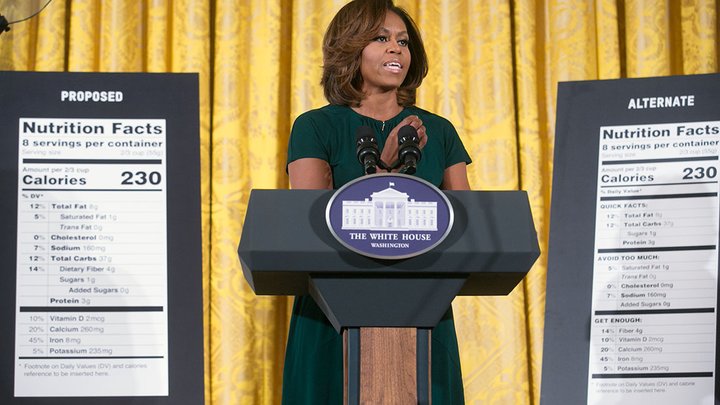
Nutrition Facts Labels Can Be Misleading
In the era of health crazes and anti-obesity measures, the Nutrition Facts label is often one of the first items a potential shopper looks at when purchasing groceries. While these labels are intended to help "make quick, informed food choices that contribute to a healthy diet," they are fraught with misleading numbers and overly general assumptions that can result in confusion and poor choices.
-

Inclusive Conservatism: The Last Best Hope
In the midst of a clearly losing message and rapidly changing demographic profile, if Republicans hope to win in the 21st century they must address America’s minority populations with a message of more “inclusive conservatism”. Given the simultaneous rise of America’s Democratic Party and progressive movement, the future of American conservatism might hang in the balance.
-

One Nation, Under [ ]
Declining religious faith in America might open the ballot to those previously deemed unelectable, but could leave a dangerous void…
-

Trump, Russia, and Saudi Arabia?
Why we should be taking a closer look into the relationships between the Saudi Arabian government and Manafort, Kushner, and other figures within the Trump administration including Trump himself, and what these ties indicate about the United State’s involvement with recent developments within the Middle East.
-

Fuerza, México: Cracks in the Government’s Foundation
Plagued by earthquakes, unrest, and economic woes, Mexico teeters on the brink.