Op-Eds
-
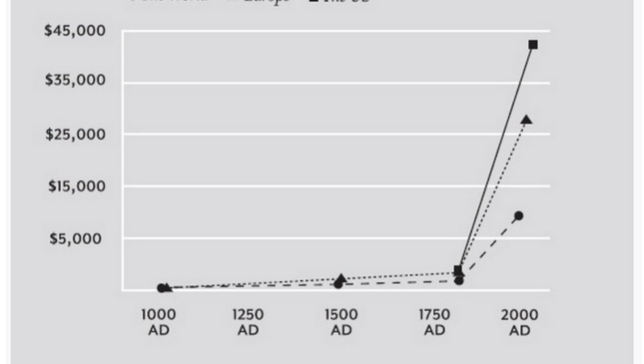
The Hockey Stick of Human Prosperity is the Worst Metaphor in Political Science
Global economic history shouldn't be understood as a hockey stick but rather a divergence.
-

The Model Minority Myth: An Agent of White Supremacy
Asian Americans are often touted as the “model minority,” but don’t be fooled: the model minority myth has and always will be an agent of white supremacy.
-

The Story of an American Citizen: Just a Dash of Empathy
The Trump administration has expressed clear hatred for “illegal immigrants,” claiming that they are rapists and criminals. What is it like to be undocumented in the United States from the perspective of an American citizen, and how can our country respond better to immigration?
-
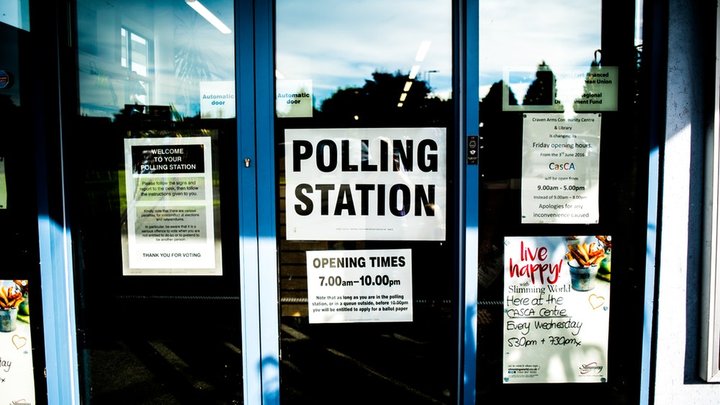
Don’t Blame Apathy, Blame Voter Suppression
Americans face systemic obstacles to voting. Legislators ought to act as soon as possible to remove them.
-

The Rise of Call-Out Culture
Holding people accountable online for their actions is on the rise, but at what cost? Call-out culture is more nuanced than Twitter might make you believe it is.
-

Environmental Issues in Modern Shanghai
Today, Shanghai is one of China’s most prosperous commercial centers. But can it survive the threat of pollution?
-

It's Time for the Federal Government to Negotiate Drug Prices
The average industrialized nation pays $400 per person on prescription drugs. Americans pay over twice that. The federal government needs to intervene in the drug market to fix this crisis.
-

Don't Politicize Dr. Blasey Ford
Don’t turn Dr. Christine Blasey Ford into the political “pawn” she specifically claimed she is not. Instead, listen to her, and begin listening to all women.
-
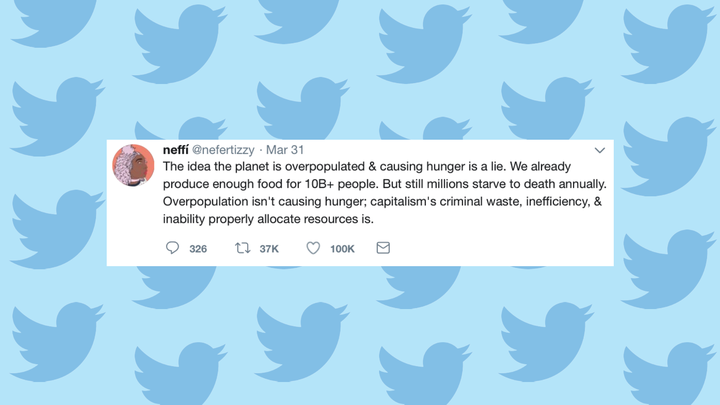
An Introduction to the Weird and Wild World of Leftist Twitter
The bizarre world of leftist twitter provides a glimpse into the state of modern American progressivism.
-

Finding Ineffective Solutions to the Problem of Guns
Regardless of intention, the effects of gun control in the United States are often hampered by worrying shortcomings.
-

The Numbers Can Lie: Abusing Statistics in Political Debate
A wise man once said that there are three types of falsehoods: lies, damned lies, and statistics. Nowhere is this more true than in the political sphere.
-

Food Waste in America
Americans throw away billions of dollars worth of good food every year. What can be done to solve this pressing public policy matter?
-

Why and How the Affordable Care Act Was Passed
In 2009, the Obama administration attempted to pass an ambitious plan to expand health insurance coverage to the then-uninsured. But entrenched opposition -- and not just from Republicans -- threatened to derail the plan at almost every step.
-
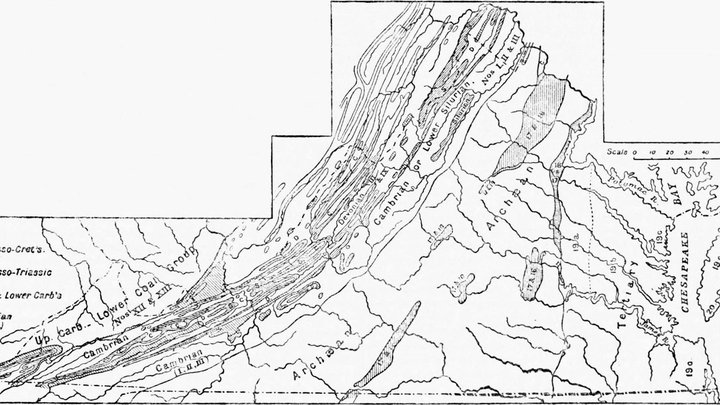
The Case For Earth Science Education in Virginia
How can we efficiently improve our state’s scientific literacy? One often-neglected subject stands out for its potential.
-
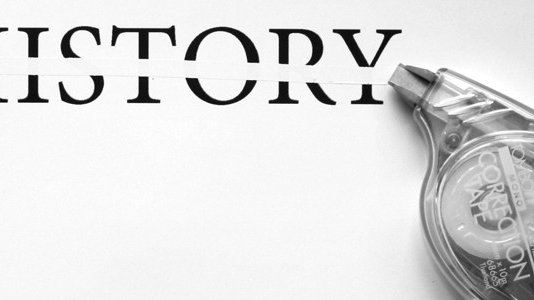
The Politics of Erasing the Past
Much like people, every nation has its own closet of skeletons––whether they take the form of past social injustice, corruption, strife and persecution, or civil war. The question is: should nations forgive, forget, and move past their historical atrocities, or always remember?
-

China, Democracy, and the Modernity’s Changing Definition: How the Evolving Concept of Modernization Defines China’s Future Choices
As China enters the Xi era, the definition of “Modernization” remains a key question for the future.
-
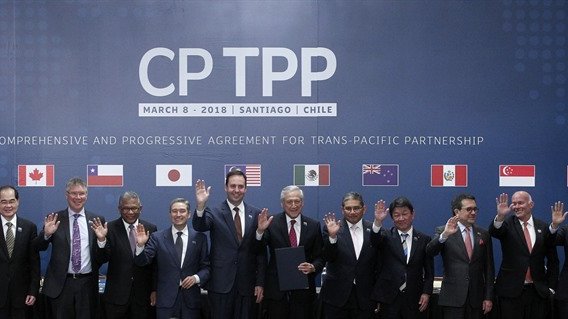
Fallout of the TPP, One Year After the U.S. Departure
On January 23, 2017, President Donald Trump signed an executive order which withdrew U.S. participation from the Trans-Pacific Partnership, or the TPP. One year after the withdrawal, what have been the regional trade ramifications?
-
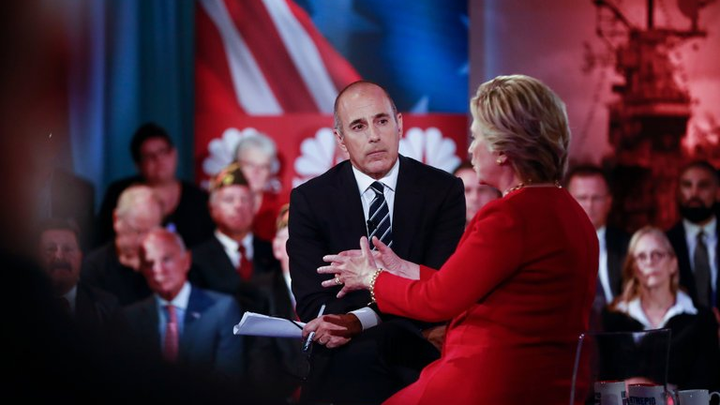
Rethinking the 2016 Election Through the Lens of #MeToo
Hillary Clinton’s presidential candidacy was monumental. The potential of having a woman as President of the United States was shocking and revolutionary for many Americans. However, perhaps one of her most compelling qualities was what held her back: her gender.
-

The Case for Co-Determination in the United States
With corporate profits and income inequality as historic heights, co-determination offers Americans a path to shared prosperity.
-

Food stamps and farmers markets: Why the USDA’s latest move isn’t enough
The Supplemental Nutrition Assistance Program (SNAP), formerly known as food stamps, is designed to aid America’s poorest citizens by providing a stipend to support the cost of food and beverages. The program has come under criticism in the past few decades due to the high proportion of unhealthy and processed items that are often purchased using SNAP funds. In recent years, the USDA has worked with thousands of farmers markets across the country to provide incentives for SNAP recipients to buy fresh produce with their federal dollars. While this is a step in the right direction, there are limitations to this approach that necessitate further action by the USDA in order to prioritize nutrition in SNAP and thwart the rising obesity epidemic.
-

Don’t Forget About Mass Transit When Improving Transportation Infrastructure
As a whole, the quality of infrastructure in the United States is dismal. However, while politicians and the public are rightfully concerned with the quality of our roads and highways, there is a lack of thought towards the quality of mass transit systems.
-

The Bane of Bannon
What can we learn from Steve Bannon’s swift exile from the Trump administration and Breitbart? He has revealed the failures of the Trump campaign through his own controversial tenure filled with extremism, political battles, and controlling the agenda. Will this exit be the last of Steve Bannon?
-

China and the New International Aid Architecture
Since the turn of the century, China has become one of the top global donors to international development. Many Western states and institutions view China as a ‘rogue donor’ due to their lack of transparency, but they continue to play an increasingly important role in the international aid architecture.
-

In Defense of Political Parties
Since the Great Depression, Americans have really only known two political parties. As those two parties’ approval ratings reach record low numbers, now is the time to begin exploring multi-party system alternatives.
-

Duck and Cover, Cville
The “Doomsday Clock” has moved closer to midnight and nuclear tensions are high, but Americans have a unique capacity to deal with nuclear anxiety.