Op-Eds
-
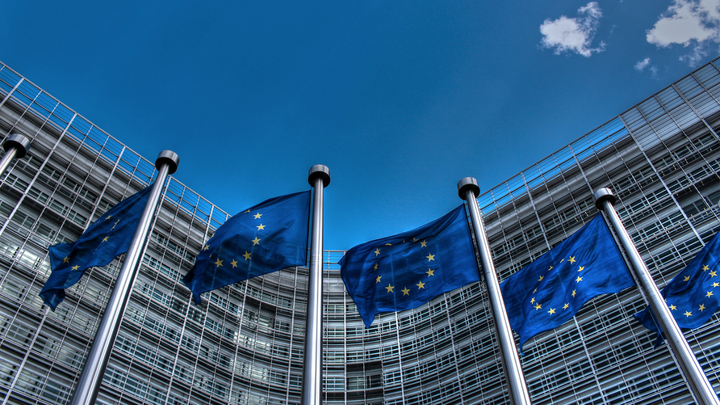
Does the European Union Have a Sovereignty Problem?
Why Brexit could be an early warning sign for the end of the European Union.
-

The Concealed Politics of Fetishes in Entertainment
A fetish is not just a depiction of an unusual sexual desire in entertainment, as its portrayal reveals its political context and perspective.
-

The Good Place, David Foster Wallace, and the Politics of New Sincerity
Can television teach our politicians how to act?
-

The Dual Perception of US Military Legacy in Today's Seoul
The move away from wartime mindsets among the Korean populace has changed what the base represents. American military presence in central Seoul has long outlived its relevance, and reasons as to why general attitudes towards the installation have soured are highly present in the day-to-day lives of the people living around it.
-

The Exploitation of Science in Pursuit of Profit
Corporations consistently misuse scientific information in marketing to paint a picture that is unrepresentative of reality, delegitimizing science as an institution and harming consumers as a by-product.
-

Saving the U.S.'s Soft Power
The global image of the U.S. grows increasingly negative in more than one aspect, especially as the US is not seen as globalistic. This decline in the United State’s positive global perception could lead to a decrease in soft power, which would lead to more difficulties in foreign affairs as well as economic losses.
-

The Conundrum of the Trucking Industry
Technology is creating concerns in the trucking industry. However, could new technological and legislative reforms solve problems drivers and companies currently face?
-

Republicanism and Its Discontents
Many of us describe belief and discourse in the language of modern republicanism. But has this flawed our understanding of politics?
-
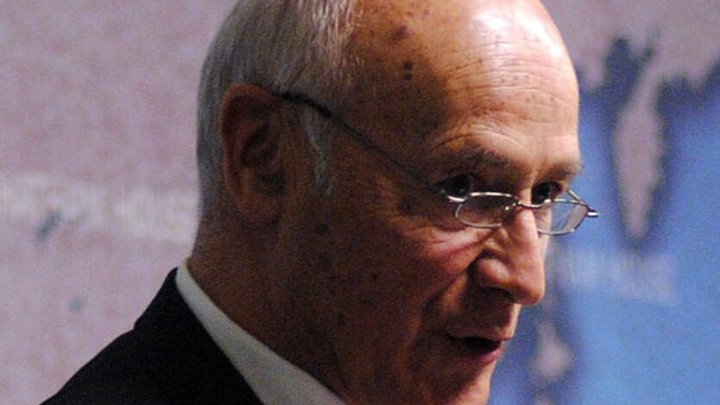
Joseph Nye Interview
Dr. Joseph S. Nye, Jr., is University Distinguished Service Professor and former Dean of the Kennedy School of Government at Harvard University. In 2009, a poll of international relations scholars listed him as one the most influential in the past twenty years and the most influential on American foreign policy. He received his bachelor's degree summa cum laude from Princeton University, studied at Oxford University on a Rhodes Scholarship, and earned a Ph.D. in political science from Harvard where he joined the faculty in 1964. From 1977-79, Nye was a Deputy Under Secretary of State and chaired the National Security Council Group on Nonproliferation of Nuclear Weapons. From 1993-94, he chaired the National Intelligence Council, and from 1994-95, he served as Assistant Secretary of Defense for International Security Affairs. He won Distinguished Service medals from all three agencies. Nye has published fourteen books, and more than 150 articles in professional and policy journals. Recent books include Is the American Century Over? , The Future of Power , The Powers to Lead , and Soft Power: The Means to Success in World Politics . He is the recipient of Princeton University’s Woodrow Wilson Award, the Charles Merriam Award from the American Political Science Association, France’s Palmes Academiques, and numerous honorary degrees.
-

Professor William Johnson Interview
Professor William Johnson is the Georgia S. Banker Professor of Economics at the University of Virginia, where he previously served as chair of the economics department for eight years. Before UVA, Professor Johnson received his Ph.D from MIT, served as a visiting professor at Stanford University and the University of Chicago, and contributed his work to the Office of Economic Opportunity in Washington, D.C. as well as the National Bureau of Economic Research in Palo Alto, California. Professor Johnson's research focuses on labor economics, public finance, the economics of education, and the economics of information. He has written countless articles on economics and policy for publications such as the Journal of Political Economy, the Review of Economics and Statistics, the Journal of Labor Economics, and the American Economic Review.
-
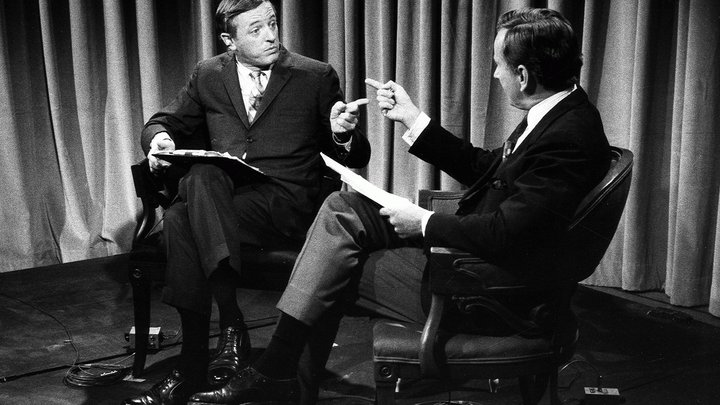
The Rise of Polarized Media
Americans widely recognize that a polarized media landscape is eroding our democracy, but few understand how the problem has developed over the last couple of decades.
-

The Importance of Gun Control
The anniversary of the Stoneman Douglas school shooting has come and gone, and people are still grappling with gun violence in the United States. Why has the government yet to pass comprehensive gun reform, and how does the lack of gun control impact the country?
-

Milking Congress for What It’s Worth: Big Dairy and Its Role in America’s Public Health Crisis
The nutritional standards in our schools are a symptom of a larger problem—our government continues to rely on corporate interests instead of prioritizing the welfare of our citizens. For the government to truly act for the public welfare, they should start by addressing the vast misconceptions they perpetuate for America’s children.
-

Every Billionaire is a Policy Failure: The Visual Case
Understanding the size of a billion dollars constitutes a strong argument for the immorality of billionaires.
-

The Earmark Strikes Back!
Earmarking is a hot topic in Congress for both parties, but there have been talks of bringing the process back. Is it worth it, though?
-
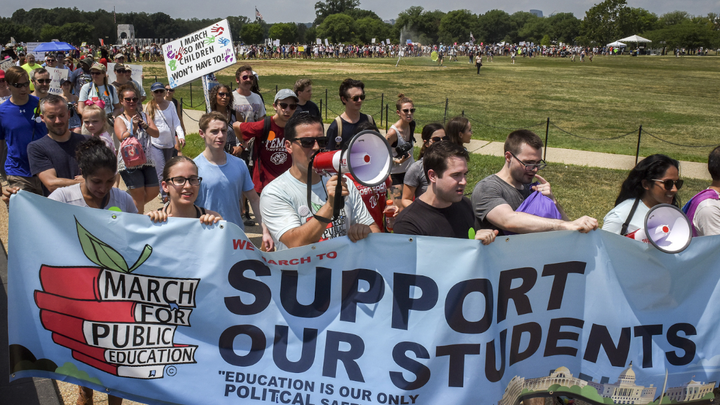
It’s Time for a Constitutional Right to Education
Public school funding systems are failing to provide equitable education for low-income populations. As the achievement gap between high and low-income areas widens, there is an emerging need for federal protections for all students.
-

Bias in Pain
Experiencing disbelief from medical practitioners is frustrating. For most women, it is almost a guarantee.
-
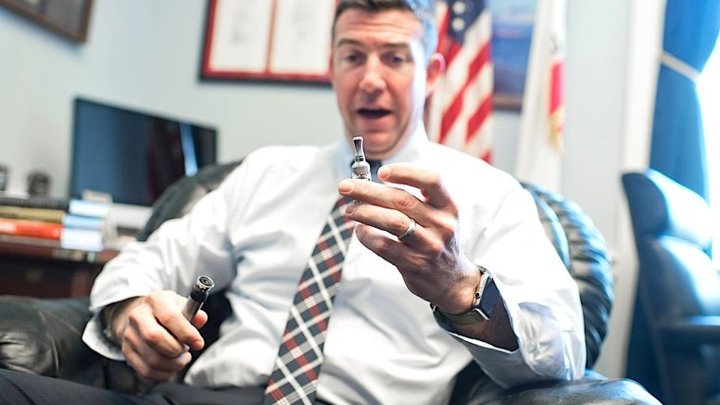
What Vaping Can Teach Us About the Rights of Young Adults
Virginia, once home to a bustling tobacco industry, has done what was previously unthinkable: raised the smoking age to 21. Why? E-cigarettes have begun to pervade schools across the nation, and states are scrambling to come up with solutions.
-
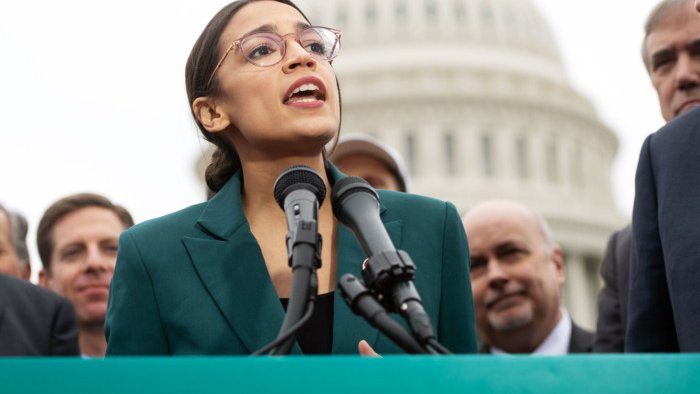
Why the Green New Deal Isn’t Right for 2019’s America
While the Green New Deal sets forth the type of ambitious goals necessary to tackle climate change, it also alienates key political actors and encourages politicization of climate action.
-

The Invisible Issue
Over half a million people spend their days without a roof over their head. Almost 200,000 sleep on the streets each night. This is a crisis of humanity and a failure of the market. Despite this, homelessness remains a non-issue on the national political stage and the government has not passed legislation that might provide the solution that our most vulnerable citizens desperately need.
-

Night Falls For Insects
Devastating loss of insect biomass and diversity has made the rounds in headlines, but how effectively is the science communicated? Science communication of the insect collapse is well communicated due to the framing of scientific articles, but it doesn’t necessarily lead to political action.
-

And the Winner for Best Political Activist Goes to … Taylor Swift
Celebrities may well have the most impactful political endorsements given their significant influence on their fans.
-
Democrats Took the House? So What? No Worries from Trump!
The 2018 midterms have created a unique situation for the Republican party and President Donald Trump. Although Democrats have created a divided government, Republicans and the President still have quite a few strategies they can use to accomplish their goals and prepare for the 2020 election using two vital tools: judicial nominations and the economy.
-
How the Republican Revolution Broke Congress
Today’s problems with congressional dysfunction have been brewing for decades, but the biggest source may be the Republican wave of 1994.
-
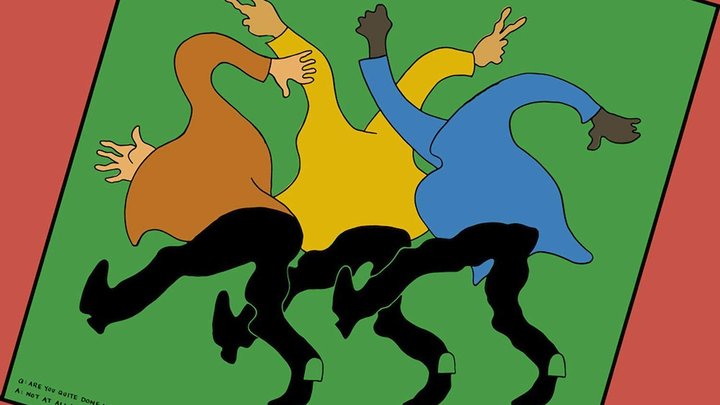
Political Art in 2018: Parquet Courts' Wide Awake!
What happens when you can't keep watching the news because it's terrifying, but you can't look away because you have to stay informed? Tune in to some angry punk-rock.