Op-Eds
-

How the COVID-19 pandemic impacts LGBTQ students
With the limitations imposed by social distancing, LGBTQ students face difficult decisions, stressful home situations, and need for resources.
-

Silence is Betrayal
There comes a time when silence is betrayal. In response to the murder of George Floyd, as well as the state-endorsed police violence that has occurred in the U.S. over the past several decades, we find it imperative to use our privilege as a publication at an institution like UVA to stand in solidarity with those who are protesting, as well as encourage our readers to support organizations that seek to rectify these injustices.
-
Justice Bill Mimms Interview
Justice Bill Mims currently serves as the hundredth justice of the Virginia Supreme Court. He is the second person to ever serve as a member of the General Assembly, attorney general, and Supreme Court justice. Justice Bill Mims received his A.B. in history from the College of William and Mary (1979), his J.D. from George Washington University (1984), and his LL.M from Georgetown University (1986).
-
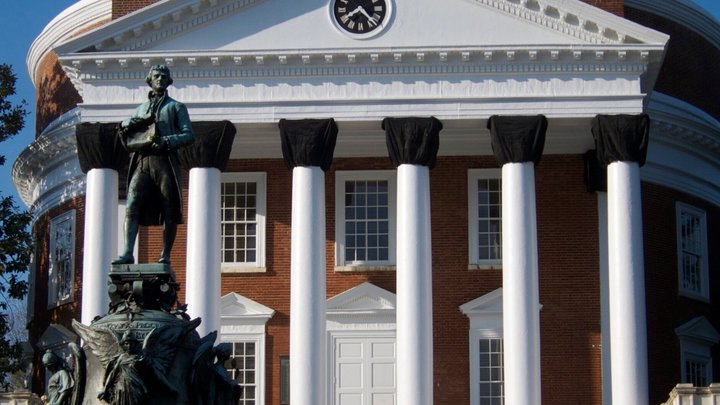
Let’s Universalize Credit/No Credit
In the time of coronavirus, it’s no longer business as usual for higher education. Universal Credit/No Credit will help us cope with this disaster.
-
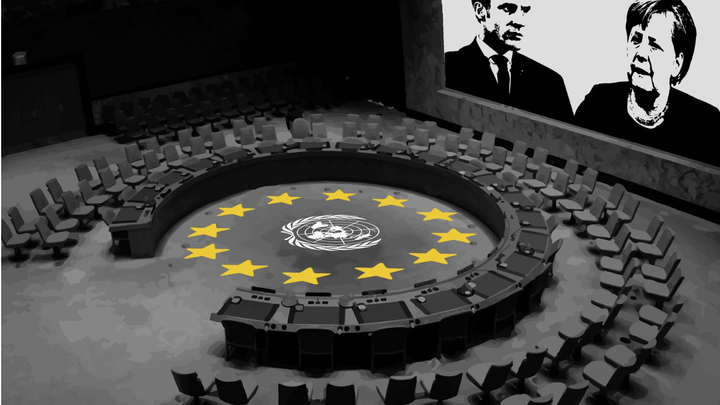
A Permanent Membership in the United Nations Security Council for the European Union
Replacing the French permanent membership with an EU one? German Finance Minister thinks it “would be a bold and smart goal.”
-
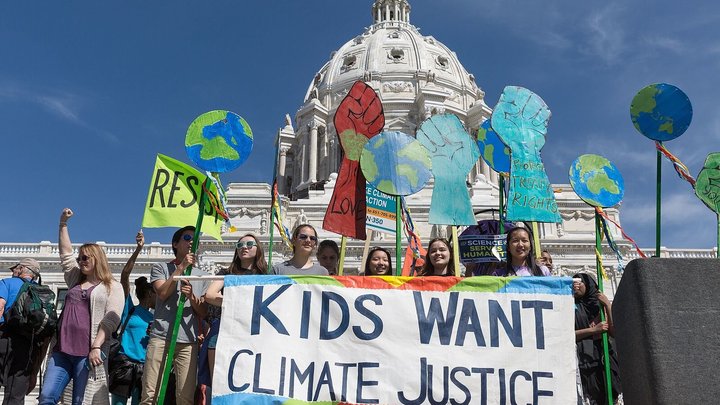
El cambio climático y los derechos humanos
Hoy en día, el cambio climático es un gran problema. Aunque todas las personas se ven afectadas, algunas comunidades, por ejemplo las comunidades minoritarias, los pobres y las mujeres, son las más afectadas por sus efectos. Por esta razón, el cambio climático es una seria cuestión de derechos humanos.
-

The BRI and the String of Pearls: A Challenge to the U.S.-Led Global Order
China’s President Xi Jinping announced the world’s largest infrastructure project, the Belt and Road Initiative (BRI), in 2013. Since then, China has pumped billions of dollars into the project in an effort to boost its soft power (and arguably its hard power) abroad. This project highlights China’s desire to expand their global influence and rewrite the global norms on their own terms.
-
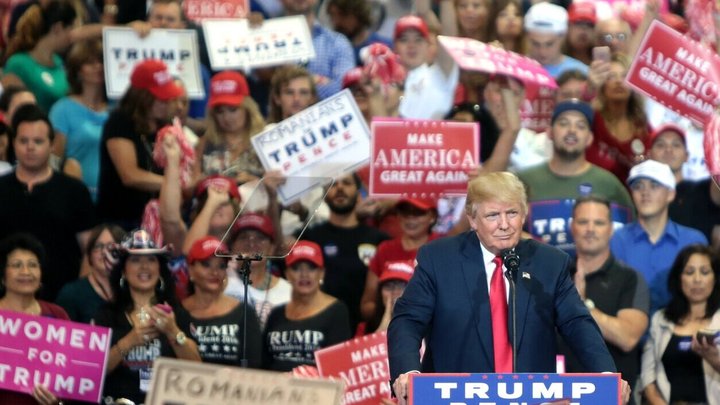
The History, Inescapability, and Struggle of American Populism
Populists tend to speak for the unification of the people, but the American government was designed to mitigate conflict. It is American to have values shared by all people, but not necessarily for political ideas to be uniform. However, populism does not belong to a political party. The future of populism requires an intense look at the leaders who espouse it.
-
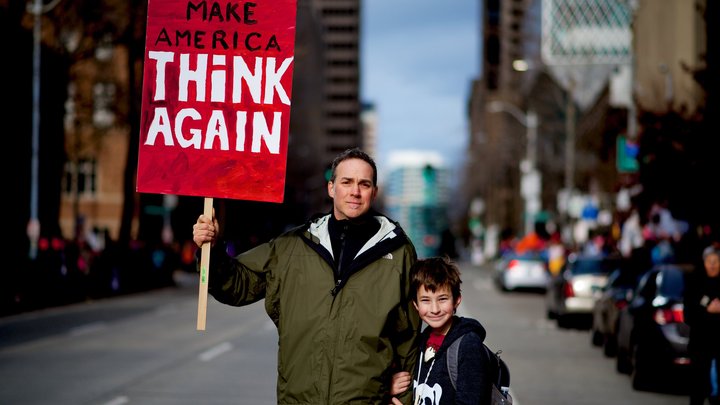
Re-Examining the “Paranoid Style”: Richard Hofstader and Contemporary American Political Rhetoric
In an age where the internet has amplified the conspiratorial rhetoric of extremists, it is the duty of responsible figures on the Right to eschew this phenomenon. But given the impact of Donald Trump’s rhetorical style on the Republican Party, this particular rhetorical style seems likely to remain a major influence on conservative discourse for the foreseeable future.
-

The Jones Act: An Outdated, Costly Law Under the Radar
For nearly the past 100 years, the shipbuilding and American maritime lobby has unequivocally supported the Jones Act, but is this law still worth maintaining?
-

UVA Has a Duty to Facilitate Students’ Waste Reduction
The University has room to improve at the intersection of institutional and individual responsibility.
-

What eScooters Can Do For Cities Like Charlottesville
Lime? Bird? VeoRide? Electric scooters are booming, and cities like Charlottesville have a lot to gain.
-
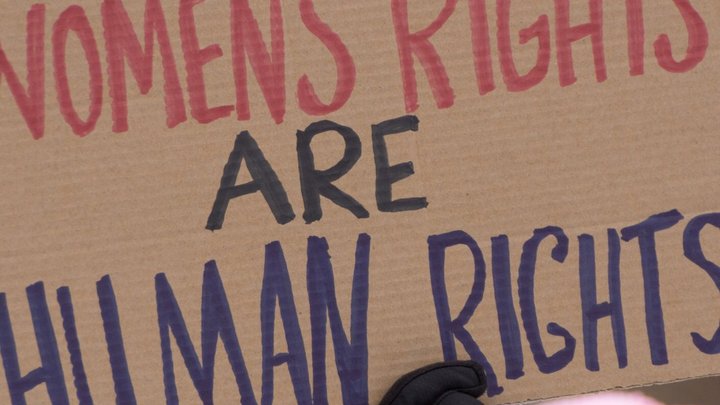
Gender and the Right to Asylum
Asylum is a contentious issue in the United States, especially in the age of Trump. What is the future of asylum and should governments change reform international law to include gender as a form of persecution?
-
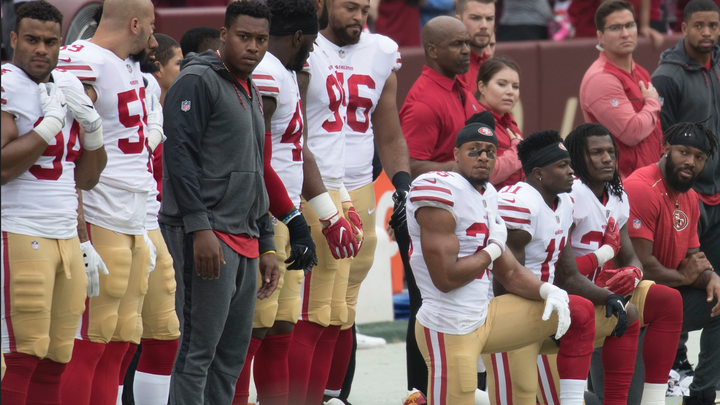
Understanding the Increasing Politicization of Sports
Americans have historically been averse to integrating politics and sports. How has political polarization changed the interaction between these two?
-
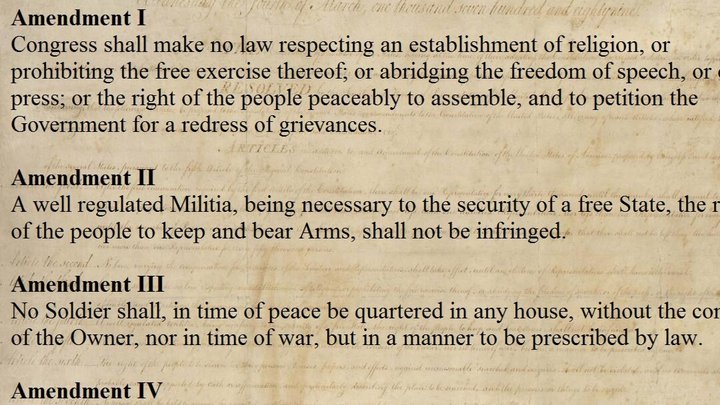
Did the Antifederalists Get It Right?
For years, Americans have dismissed the Antifederalists as the “losing side.” However, a rereading of their key argument, the small republic theory, shows that they predicted America’s current factious and polarized nature.
-

Cowboys, Guns, Germs, and… Popcorn Lung? Rugged Individualism and the Vaping Epidemic
The Trump administration’s regulation of Juul products seems to contradict the laissez-faire values of the Republican party. Nevertheless, these regulations represent small, but notable, progress in the gradual dismantling of the “Rugged Individualist” ideology that has infected public discourse.
-
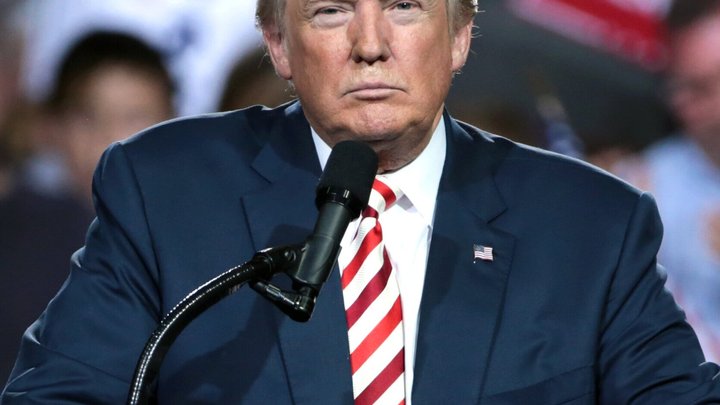
The Polarized Impeachment
Given the Constitution and history of impeachment driven by partisan conflict, the current impeachment process will not remove President Donald Trump from office.
-

The Lost Art of Compromise
America has earned its place in history for a surprising reason: its ability to compromise in order to achieve progress and maintain unity. Yet today, Americans are increasingly turning their backs on this foundational principle to the detriment of the nation’s health and well-being.
-
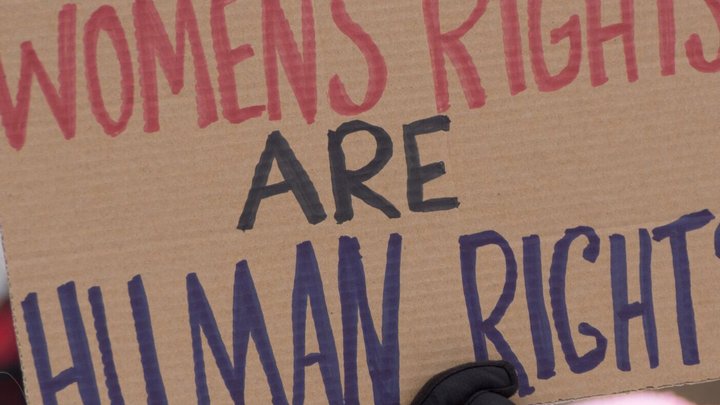
Género y el derecho a solicitar asilo
Asylum is a contentious issue in the United States, especially in the age of Trump. What is the future of asylum and should governments change reform international law to include gender as a form of persecution?
-
A Case for Progressive Capitalism
A progressive candidate in 2020 is more likely than ever, and it is time to create a lasting strategy that extends beyond just defeating Donald Trump. The key is creating an environment in America that promotes progressive values while also stimulating the economy. That environment is progressive capitalism.
-
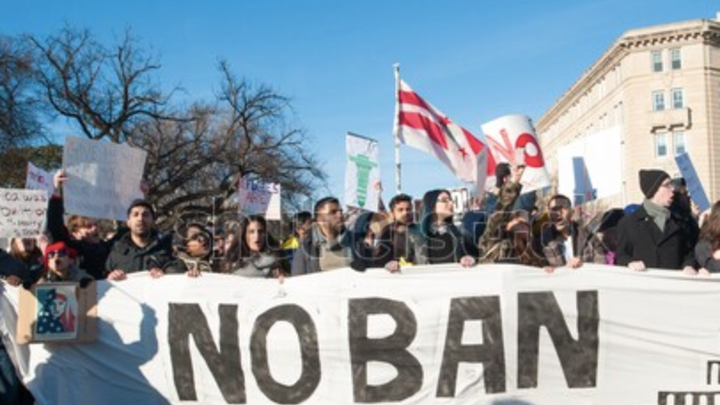
Prejudice Spun Into Policy
Trump’s discriminatory travel ban continues to unconstitutionally separate families. Where does the ban stand now and what policies are being pushed to prohibit religious discrimination in immigration policy?
-
Ignorance as an Excuse in the Contemporary Justice System
While our legal system prides itself on not excusing ignorance of the law, it has proven to be unevenly applied and demands reexamination of its application in our modern legal system.
-
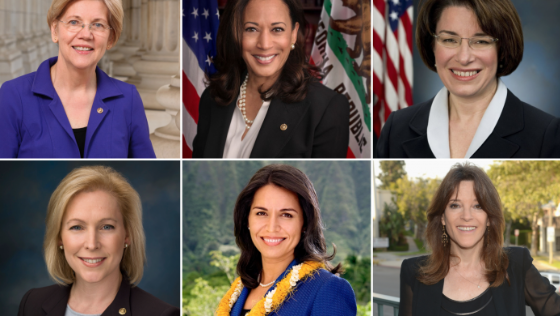
Is America really ready for a female president? Yes, now get over it.
Women have proven themselves as a force to be reckoned with in the 2020 presidential race, but systemic misogyny may just be the thing that holds them back from the Oval Office. In order for a woman to win the presidency, it is imperative that we stop questioning her ability to do so.
-

Japan’s Military Resurgence
Since World War II, Japan has maintained a Self-Defense Force in lieu of a full military. Recently, however, the Japanese armed forces have grown in size and power. Is American foreign policy to blame?
-
The Caravan is Fueled by our Consumption: The role of America’s drug problem in the migration crisis
America’s drug consumption is often overlooked as a key factor in the current migrant caravan coming from Central America and the Northern Triangle region. The inhumane and extremely perilous social environment perpetrated by gangs trafficking drugs to America leave innocent people with no choice but to flee.