Society and Culture
-

How Erika Kirk Turns Grief Into Her Version of Women’s Liberation
Erika Kirk is using her recent publicity from Charlie Kirk’s recent death to manipulate her audience and project her idea of women's “liberation” onto them.
-

When Executive Power Means No Accountability
Only nine months later, Americans have all but abandoned the brief class consciousness that emerged after the murder of United Healthcare CEO Brian Thompson. Despite the country moving on, the cultural and legal issues this moment illuminated still persist. How do we solve them? And how do we move forward
-
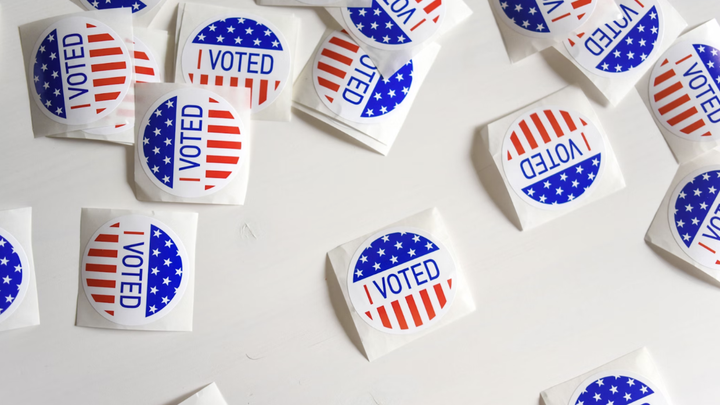
Addressing the Viability of Same-Day Voting Registration
Voting registration dates can create a sizable barrier for citizens trying to vote. Same-day voting registration has arisen as a practical solution to aid in expanding access to the polls and increasing voter turnout, but faces numerous obstacles to be further implemented across the United States.
-

Is AI Taking Our Water?
As AI is continuing to expand, policymakers and tech companies alike should be aware of and take action against the costs it is imposing on the environment.
-

Mark S. and Marx: Alienation in the TV series Severance
The television series Severance has gained tons of traction in recent months for its incredibly entertaining plot line—however, there is more to Severance than meets the eye. There are tons of Marxist themes throughout the series that deserve to be brought to light.
-

Data Privacy Needs an Update
The U.S. is a haven for technological innovation, but its privacy laws are far from comprehensive, leaving consumer data vulnerable. The U.S. ought to create overarching legislation to regulate and inform data privacy practices, ensuring consumer safety in an increasingly online world.
-

Artificial Intelligence is Increasingly Being Used Within Politics, But Should We Be Allowing It?
Artificial Intelligence is increasingly being used by politicians and institutions for beneficial and malicious ends despite rampant misinformation and corruption. The American people must educate themselves and deliberate on whether and what types of AI should be used in our democracy.
-

Pandemic Politics: How Division Undermined COVID-19 Preparedness and What Comes Next
Hindsight is always 20-20, and retrospective analyses of pandemic response to the COVID-19 pandemic reveals glaring inadequacies in policy implementation that fueled damaging race based disparities. It is crucial to learn from these mistakes and take strides in implementing equitable disease prevention efforts for the future.
-

Archival Silence within UVA's Special Collections Library
The Albert and Shirley Small Special Collections Library has focused on procuring and preserving rare books, manuscripts, and artifacts since its formation in 1987. However, their steps towards establishing a full history is undercut by their lack of effort to share these resources with the greater student body.
-

You Go Girl!: The Swinging Pendulum between the Girlboss and the Modern Stay-At-Home Girlfriend
Today, the docile role of the homemaking woman may seem to be a figure of the past, but has in fact revived itself through a social media trend termed the Stay-At-Home Girlfriend.
-

Our Unsure Future: Legislation in the Age of Emerging Reproductive Technology
In a world of rapidly evolving technologies in reproductive medicine, adaptation is both a challenge and a necessity. The development of ectogestation and similar reproductive technologies calls into question abortion legislation and cultural norms across the United States.
-

Reformation During the Resurgence of Industrial Policy Under the Biden Administration
“President Joe Biden talks on the phone with Tennessee Governor Bill Lee...” by The White House is licensed under CC0 1.0 DEED
-

Age Verification Laws: A Violation or a Necessity?
The government finds it prudent to curb minors’ access to pornographic content, but does that simultaneously curb our rights as citizens?
-

The Myth of the Gender Monolith
Living in a westernized society means living within the bounds of the gender binary. Beyond our scope, however, lies a rich history of unique gender expression and the lessons we can learn from the cultures that embrace it.
-
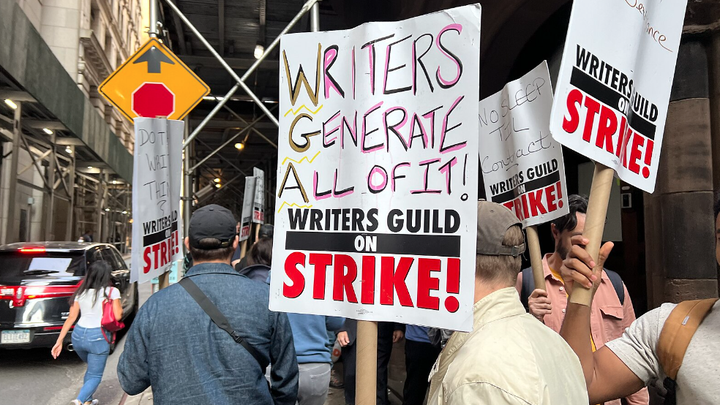
The Year of the Union
This past year has seen more strikes and union action than the past two combined, creating a sort of contagion of worker protests that have impacted every corner of the American labor system. What sparked these strikes and why now?
-

The Unsuspecting Nature of Fentanyl: How American Perceptions of Addiction Hinder Treatment of Overdose
Illicitly manufactured fentanyl is responsible for the overdose of thousands of Americans each year. Because of the perception of drug addiction in our society, this problem continues to increase and go untreated. We must reframe our understanding of addiction in order to address and fully rid communities of fentanyl overdose.
-
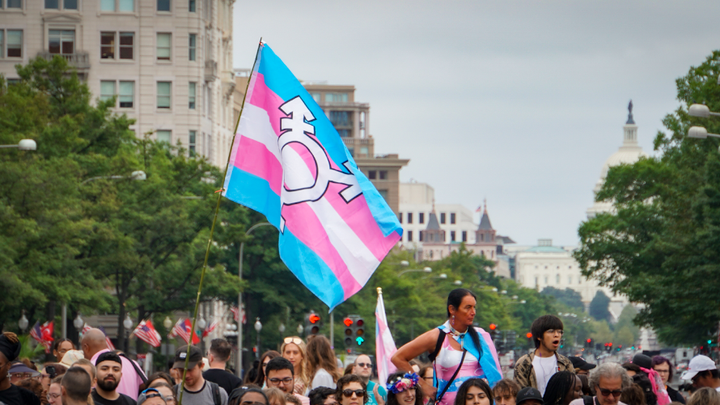
Virginia’s Attack on Transgender Youth
Virginia's recent model policies for the treatment of transgender students in schools have faced significant criticism for endangering the human rights of transgender students. Debates about whether Transgender Rights oppose Parents' Rights have taken hold across the state's school districts.
-
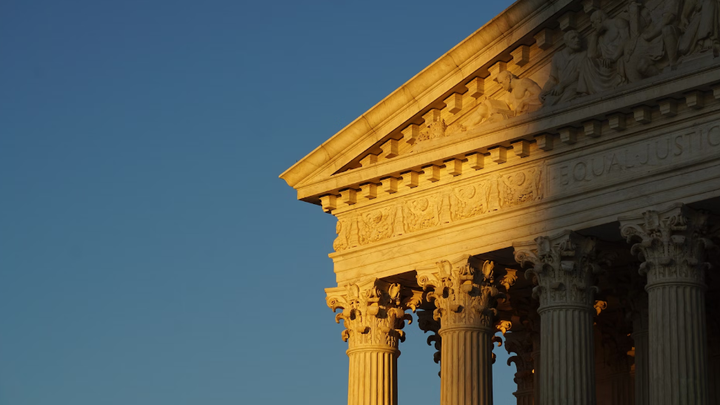
The Push and Pull of History and Progress
Today’s Supreme Court has brought many fundamental questions of American history and its interpretation to the forefront. While American history can serve as a helpful tool for contextualizing and inspiring political progress, the Roberts Court has also shown it can be a dangerous tool to hinder progress.
-

Derailed from Success: The Usage of Tracking in American Secondary Education
Commonplace in the United States, tracking is an accepted practice which promises to separate students based on their levels of academic achievement and capability. However, the realization of said promise is left unfulfilled for many.
-
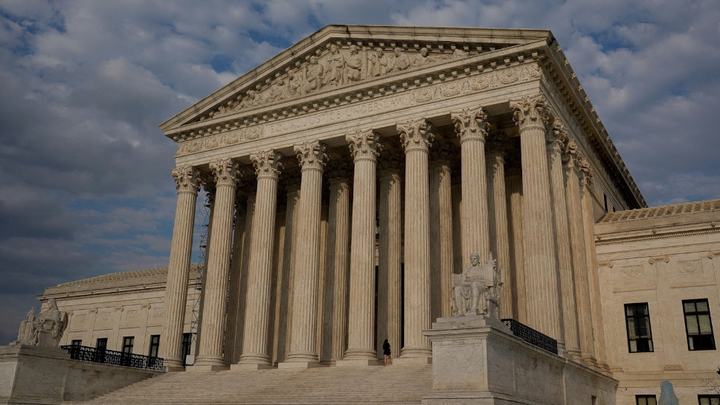
Striking Down Affirmative Action Will Only Worsen Racial Disparities
The Supreme Court’s decision to strike down affirmative action ignores the complex ways race has shaped practically every sector of society in America.
-

Gentrification in Charlottesville
For centuries, the private and public sectors have worked together to create a system of profiteering from the real estate market. Examples of the damage they have caused to local communities can be seen across the nation, even within Charlottesville.
-
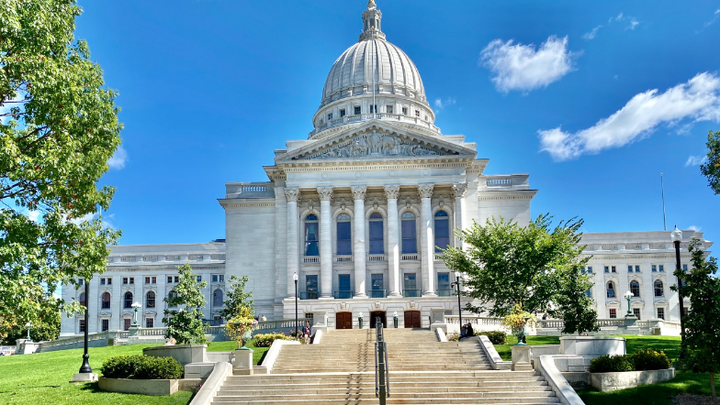
The “Apolitical” Wisconsin Supreme Court
The Wisconsin Supreme Court election earlier this year illustrated the political nature of the fight for Supreme Court seats. With millions of dollars pouring into the race from various political groups, the race was the most expensive state court race in history. It illustrated that voters and interest groups view the control of courts as a means to political results.
-
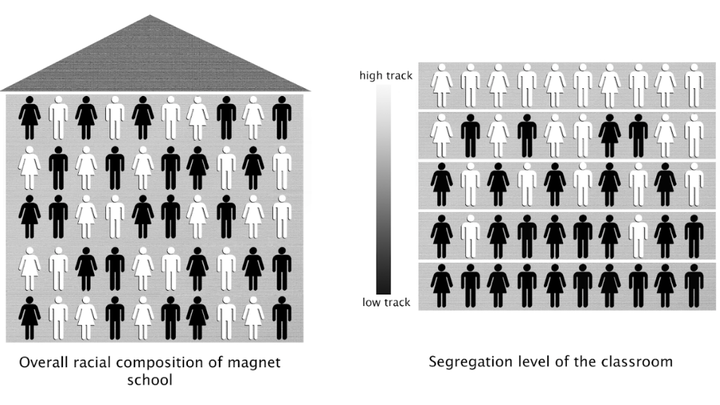
Tracking in Our Education System
The process of student tracking, despite seeming practical, has had many unhindered consequences on student education, particularly with the education of minority students. At first glance, this system makes perfect sense by having students placed into classes seemingly catered to their experience and abilities, but studies on the effects of tracking suggest it may be perpetuating systemic racial and socioeconomic inequality.
-

Media Perceptions: Painting a Distorted Image of Guilt and Innocence
Johnny Depp is a name we grew up with. Appearing in Pirates of the Caribbean, the 2005 remake of Charlie and the Chocolate Factory (amongst numerous other Tim Burton films), it is also a name that is caught in the midst of a civil suit that is feeding into the existing social culture surrounding domestic violence and abuse. Whether a Johnny fan or a mere spectator, understanding public perceptions in Depp v. Heard characterizes the nature of bias, influence, and resulting polarization through the media.
-
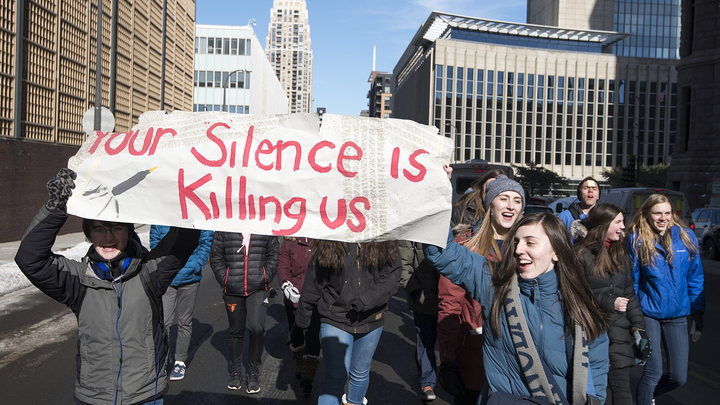
Bipartisan Gun Reform Falls Short
Congress’s Bipartisan Safer Communities Act may be the first major federal gun legislation passed in over two decades, but it is not bold enough to significantly reduce the staggering, devastating gun violence across America.